

MADISON–The CUNA Marketing and Business Development Council has announced a change in dates for entering submissions into its annual Diamond Awards competition.


MADISON–The CUNA Marketing and Business Development Council has announced a change in dates for entering submissions into its annual Diamond Awards competition.

DUBLIN, Ireland–Former CUNA president and CUNA Mutual executive Ralph Swoboda has died.

WASHINGTON—Credit union loans outstanding increased 0.8% in July, compared to a 1.0% increase in June of 2021 and a 0.7% increase in July of 2020, according to CUNA’s latest Monthly Credit Union Estimates.

WARWICK, R.I.– Wave Federal Credit Union has named a new president and CEO, and made several other senior executive announcements as well.
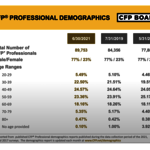
WASHINGTON–Results from a survey of CERTIFIED FINANCIAL PLANNER professionals has found its members are “overwhelmingly satisfied” with their career choice as a financial planner, and that during the pandemic more than half have increased their contacts with clients.

BASEL, Switzerland—The Bank for International Settlements (BIS) Innovation Hub, the Reserve Bank of Australia, Bank Negara Malaysia, Monetary Authority of Singapore, and South African Reserve Bank are joining forces to test the use of central bank digital currencies (CBDCs) for international settlements.

MEXICO CITY, Mexico—Remittances sent to Mexico hit a new monthly record of $4.54 billion in July 2021, a 28.6% increase compared to the same month in 2020.

LONDON—Moneyhub, a financial data, intelligence and payments platform, said it has launched a new “Rent Recognition” feature the company said will drive financial inclusion by offering consumers a “newer, simpler and fairer way of building up their credit score.”

SAN FRANCISCO—Shares in Affirm, a fintech that has partnered with Amazon to allow a buy now, pay later option at Amazon’s checkout, have jumped 40%.
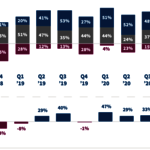
WASHINGTON–For the fourth consecutive quarter, a plurality of mortgage lenders expect near-term profitability to decrease, according to Fannie Mae’s Q3 2021 Mortgage Lender Sentiment Survey (MLSS).