

WASHINGTON–Harland Clarke is now live with a rebranded suite of engagement tools, including a checking option that makes the member’s first check payable to them to incent certain behaviors, such as signing up for a credit union’s mobile app.


WASHINGTON–Harland Clarke is now live with a rebranded suite of engagement tools, including a checking option that makes the member’s first check payable to them to incent certain behaviors, such as signing up for a credit union’s mobile app.
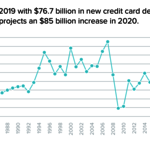
WASHINGTON– WalletHub has released its latest Credit Card Debt Study, which found that consumers racked up $77 billion in credit card debt during 2019, sending outstanding debt to an all-time record high.

SACRAMENTO, Calif.–Rent-a-Bank schemes continue to proliferate even as states work to cut down on high-cost lenders, according to a new report.

SAN FRANCISCO—Wells Fargo plans to launch two new checking accounts early next year.
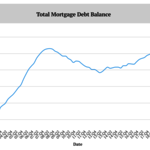
ST. LOUIS–How has the mortgage market changed since the Great Recession of just over a decade ago? And should there be concerns over a new mortgage crash?

WASHINGTON—Three defendants in a student loan debt relief scheme have been banned from telemarketing and selling debt relief, and ordered to pay millions in resolution of Federal Trade Commission allegations that they deceived consumers by promising to reduce or eliminate consumers’ student loan debt.
NEW YORK–Some of the nation’s biggest banks are telling cardholders affected financially by the COVID-19 outbreak they may be able to help.

ARLINGTON, Va.–Another credit union gathering has been cancelled as a result of risks related COVID 19. NAFCU said it is cancelling its Spring Regulatory School, which had been set for next week in Arlington, Va.
WASHINGTON—The Financial Accounting Standards Board (FASB) met this week to discuss whether it would be appropriate to recognize an insurance recovery asset in conjunction with an insured expected credit loss under the amendments included in its current expected credit loss (CECL) standard. During the meeting, FASB staff indicated they were not currently working on any major substantive issues related to CECL.

WASHINGTON—CUNA has sent letters to NCUA and the CFPB) asking the agencies to implement policies that would allow credit unions to “better serve members.”