ST. LOUIS–How has the mortgage market changed since the Great Recession of just over a decade ago? And should there be concerns over a new mortgage crash?
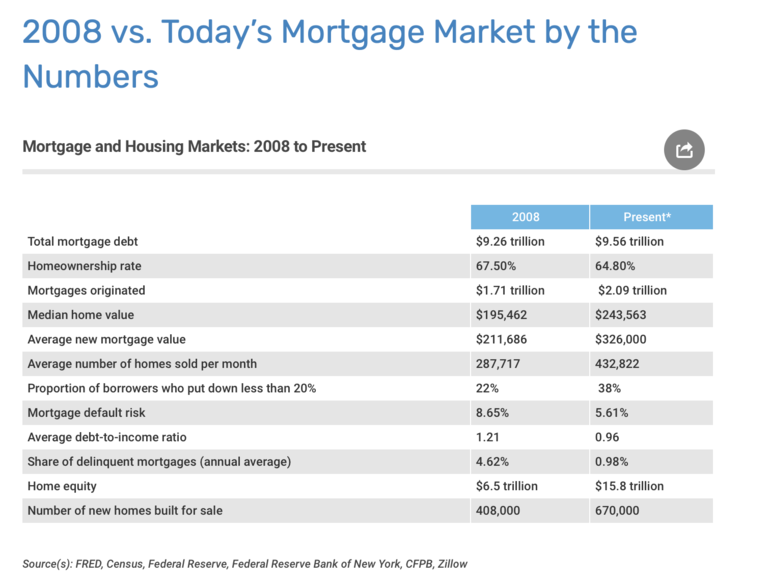
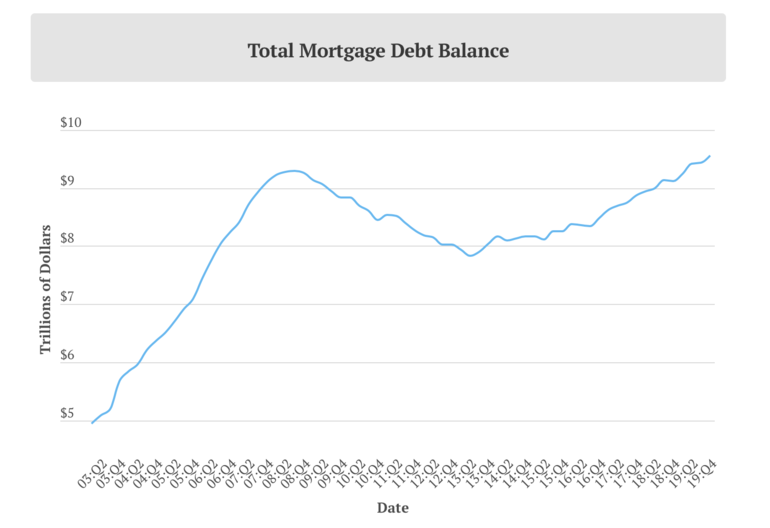
One new analysis has crunched the numbers to offer some answers. In its study, Clever Real Estate noted today the median home value is around $243,000, compared to $197,000 in 2009, and homeownership rates are beginning to increase after the sub-crisis drop. Mortgage debt has, not surprisingly, also climbed in the U.S. At the end of 2019, Americans held more than $9.5 trillion in mortgage debt — officially surpassing 2008 levels of mortgage debt.
To determine whether concerns about another crash are warranted, Clever Real Estate said it investigated the housing and mortgage markets leading up to and since the Great Recession.
“The truth is a mixed bag: Credit has tightened, and mortgage lending practices are stricter,” the company said in releasing its findings. “Still, mortgage lenders continue to lend to subprime and deep subprime borrowers, and applicants are dealing with new challenges and rising non-mortgage debt.”
Key Insights
Among the key insights from its findings:
- The housing market has largely recovered since the 2008 financial crisis, but recent lifts on lending restrictions and low interest rates might put the U.S. at risk for market corrections
- While the largest share of mortgage down payments are within the 20% to 40% range, the proportion of down payments less than 20% has increased 75% since 2008
- The average debt-to-income ratio dropped 22% in the decade following the crash, but still remains high (97%)
- Good news: A smaller proportion of mortgage applications are approved and loan default risk is only 2.3% (compared to over 16% in 2006), and the average American’s credit score hit all-time high of 703 in 2019
- Bad news: Subprime lending has increased 63% since 2010, and banks lent out over $4.18 billion to subprime mortgage borrowers
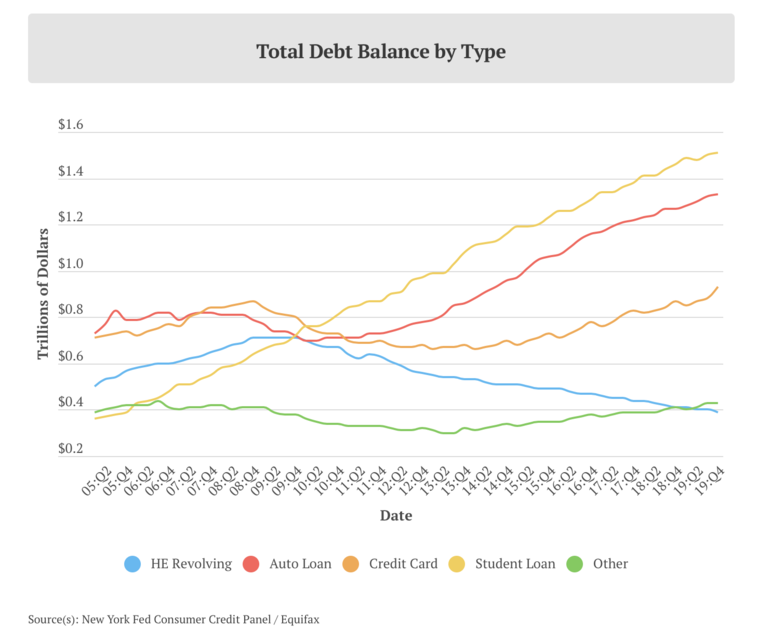
- Ugly news: Americans are $14 trillion in debt, and non-mortgage debt is $1.55 trillion more today than it was in 2008
- Younger borrowers face greater challenges to homeownership in 2020, as student loan debt has reached $1.51 trillion, twice 2008 levels
- While most debt types lower delinquency rates than 2008, auto and student loans have not; both have higher delinquency rates now than they did prior to the recession
- Decreases in mortgage originations are likely a function of the fact that most homebuyers don’t have much in savings to put toward a down payment (inflating LTV) and Americans hold a lot of debt (i.e., high DTI), so tighter restrictions on mortgage lending can lead to fewer homeowners.
- In the third quarter of 2019, U.S. homeowners held $15.8 trillion in real estate equity — on average that translates to nearly 64% of real estate’s value in equity.
The Full Findings
The full findings can be found here.