

SACRAMENTO, Calif.—California Governor Gavin Newsom this week signed new overdraft and nonsufficient funds (NSF) laws scheduled to go into effect in January, 2026—with one of the rules targeting only state-chartered credit unions.

SACRAMENTO, Calif.—California Governor Gavin Newsom this week signed new overdraft and nonsufficient funds (NSF) laws scheduled to go into effect in January, 2026—with one of the rules targeting only state-chartered credit unions.

WASHINGTON—Former President Donald Trump made headlines this month by promising a crowd in New York he would place a temporary 10% cap on credit card interest rates if he is elected in November.
WASHINGTON—Will credit unions need to provide additional information when applying to acquire an FDIC-insured institution?

LAKE FOREST, Ill.—There is a new stake in the deposit ground and rates are shifting—not simply due to the Federal Reserve’s 50 BP rate cut—one economist is saying.

MADISON, Wis.—Credit union leaders must be more “adaptable” than ever, says CUES, which outlined why that skill is needed most among credit union executives.
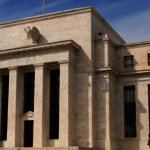
PLANO, Texas—The Federal Reserve may be moving fast to change directions on rates, analysts are saying after the FOMC cut rates by 50 BPs Wednesday, marking the Fed’s first rate reduction since 2020.

CHICAGO—While the expected Federal Reserve rate cut today won’t be a big bottom-line boost to most consumers, credit unions should be positioning themselves for the spike in consumer confidence any cuts will bring, says TransUnion.

PASADENA, Calif.–One credit union that eliminated overdraft fees years ago has now removed NSF charges and says the decisions are not only better for members, but the credit union’s long-term bottom line, as well.

LAKE FOREST, IIl.—Financial Institutions must pay attention to 10 overdraft “components” to offer a successful OD program, says Moebs $ervices, which believes overdrafts are the most complex financial service to offer.
TACOMA, Wash.—Should a credit union seek a community development financial institution (CDFI) designation?