

SACRAMENTO, Calif.—California Governor Gavin Newsom this week signed new overdraft and nonsufficient funds (NSF) laws scheduled to go into effect in January, 2026—with one of the rules targeting only state-chartered credit unions.
The rules, particularly the overdraft law, may have been driven by the negative press West Coast CUs have received regarding their OD practices, said Moebs $ervices President J.V. Proesel. The California overdraft rule would limit credit union OD charges to $14, which mirrors the limit in the CFPB’s proposed OD rule.

“I think the new laws are driven in part by the negative press reports targeting credit unions making high fee income from overdrafts,” Proesel told CUToday.info, confirming the rules have been signed by Newsom. “The $14 price cap is applicable to state-charted credit unions only. It does not include banks. This is a direct message to credit unions from the state of California that they aren't supposed to be making lots of money off consumers or charging high fees. You’re non-profits.”
The Rules:
AB 2017: By Assemblymember Tim Grayson (D-Concord), prohibits certain banks and credit unions from charging nonsufficient funds fees when a transaction is declined instantly due to the consumer having insufficient funds.
SB 1075: By Senator Steven Bradford (D-Gardena), sets limits on the amount credit unions can charge for overdraft fees. This bill would require a credit union to provide a member a notice each time the credit union assesses an overdraft fee or nonsufficient funds fee, as specified. Beginning January 1, 2026, the law prohibits a credit union from charging an overdraft fee or a nonsufficient funds fee exceeding $14, or the amount set by the Consumer Financial Protection Bureau for the fee, whichever is lower.
“California is taking a nod from the CFPB,” Proesel said. “These rules are not identical to what the CFPB is proposing, but the main components of these laws—especially the price restrictions and the $14 OD charge—are taken directly from the CFPB.”
Proesel talked about the potential impacts on FIs, particularly credit unions.
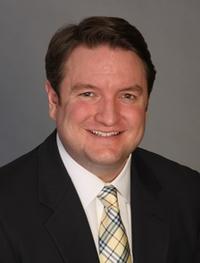
J.V. Proesel
“We have seen the market influences on OD fees across the nation and especially in California,” Proesel said. “That is going to continue. Prices for overdrafts have been coming down. Many credit unions we have worked with are well-positioned to handle these new regulations and have lowered their fees already and are doing quite well.
Possible Legal Challenges
“But, again, California is taking a nod from the CFPB and implementing price restrictions ahead of the CFPB,” Proesel continued. “The CFPB still may release their proposed rules before the election, as many have suggested, or before the end of the year. When the CFPB does come out with their final rules I would expect there will be legal challenges relating to price restrictions.”
Proesel expects those challenges could come from financial institution trade organizations, as well as from other states that don’t hold the same overdraft viewpoints as California. He added, however, he predicts a number of states may follow California’s lead.
How quickly, if at all, overdraft price restrictions sweep across the country, will likely be determined by the outcome of November’s elections, Proesel added.
“November, ultimately, is going to dictate the fate of the CFPB’s proposed rules on overdrafts,” Proesel said. “It may not be any different than what happened in 2016 with the CFPB’s proposed rules on payday loans. When President Trump won the election, the writing was on the wall that Richard Cordray would be exiting the CFPB. So, the proposed rules for payday lenders did not take effect then. A similar fate may face the CFPB’s overdraft proposal here.”