

By Michael Fryzel
The race to be on the November, 2016 ballot for President of the United States started the day after President Obama was re-elected in November, 2012. Elections in our country have become a never-ending topic of conversation with campaigns starting years before voters even start thinking about casting a ballot.
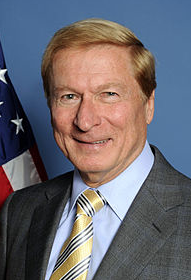
Michael Fryzel
The field of presidential candidates continues to grow as even more than the 18, 19 or 20 who want to be president contemplate jumping into the race. There is no incumbent running, the country’s mood is strange and unpredictable and even the experts are cautious in their predictions of who will come out on top.
When considering who to support, businesses, organizations and individuals try to decide who will do the best job and in some way make life easier and better for them. If events continue on the same path in our nation’s capital, it will not matter who gets elected because nothing will get done. The Democrats will blame the Republicans for any lack of progress and vice versa. Promises by candidates to shake things up sound good on the campaign stump but finding someone who can get Congress to go along with what needs to be accomplished is easier said than done. A leader who can work with everyone is needed.
Credit unions are looking for a president who will ease the regulatory burden, make it easier to provide financial services and allow them to run their operations in a way that will be of benefit to their members. They want a president that will expand their ability to make business loans, give them the authority to raise supplemental capital and allow them to serve a greater number of the population. All are simple requests but need a chief executive willing to accommodate.
Want Additional Powers?
If credit unions are serious about obtaining broadened or additional powers, they must take an active role in the presidential election and encourage their members to support the candidate that will help credit unions. They must analyze what each candidate has said or done as well as what they are promising to do. Based on that analysis they must actively support the candidate that will bring about the changes needed.
The entire field of candidates need not be studied but it is a good idea to look at the front runners with the best chance of being each party’s nominee and generalize what can be expected from each.
What About the Dems?
On the Democrat side, even though Senator Bernie Sanders is rallying the troops and making a big splash in Iowa and New Hampshire, he most likely will not be the nominee. His voting record, his views and his self-proclaimed Socialist status will not be a selling point in most other states.
Hillary Clinton remains the front runner, but having been involved in national politics for decades carries a lot of baggage and surprisingly continues to make amateur mistakes. If she were elected, credit unions can expect the status quo to continue with little expectation of any regulatory changes.
Vice President Joe Biden is strongly being urged to pursue the Democrat nomination and if he decides to do so could be the choice of his party. He is popular, often says what he thinks to the dismay of many and comes across as a down-to-earth individual. However, if elected his presidency will most likely be a continuation of what you have seen from the Obama administration. No changes anticipated.
On the Republican side, voters have been treated to a very entertaining salvo of rhetoric from those seeking the nomination. The field swelled to a large number so quickly that some are already dropping out due to lack of funds or support.
Donald Trump has been the biggest surprise. Free swinging remarks, never having held office, and pushing all the right buttons has placed him far ahead in the polls. Many expected him to have dropped out a long time ago based on remarks that would have been the death blow for any other candidate. But the Donald remains a strong candidate. If he were elected president there most likely would be a concentrated effort to significantly reduce regulations that impact all types of businesses.
Dr. Ben Carson, in second place in most polls, comes across as a soft spoken, thoughtful, intelligent candidate. Based on his business background, a moderation in regulation would likely be on his agenda.
The Rest of the Field
Other candidates, although not polling strong now among voters, have the ability and/or resources to become front runners should the current leaders start to fade. This includes Jeb Bush, Carly Fiorina, Marco Rubio and John Kasich. They are all pro-business and regulatory relief would be on their agendas. The remaining candidates all have a defined geographic constituency that does not transfer into support across the country and therefore limits their ability to be the nominee.
Based on prior performance in office, be it elective or in the business sector, credit unions will have a clear choice regardless of who is nominated by the two major parties.
Credit unions will have to decide which person is best for their business model and gives them the greatest opportunity to achieve what they have been seeking for years. And once that decision is made, they must put forward their best effort possible to get that candidate elected. Watching from the sidelines is not an option.
Michael E. Fryzel is an attorney and advisor to the financial services industry with offices in Chicago, Illinois. He is a past Chairman and Board Member of the National Credit Union Administration. He can be reached at meflaw@aol.com.