

By Zviki Ben Ishay

“Do I really need to visit the branch to get that done?”
It’s a good bet this is one of the most common questions employees of credit unions have heard for years now. Credit unions have poured in significant investment in recent years to give members the convenience and flexibility to complete common banking tasks digitally.
And, as we all know by now, the COVID-19 pandemic has accelerated the need for credit unions to digitalize virtually every member-facing process in historic fashion. Suddenly, digital channels like mobile banking apps, mobile wallets, and P2P payments, capabilities for e-signatures and ID Verification are no longer considered cutting edge innovations, but merely table stakes.
Is there still a place for branches post-COVID?
The need to bring banking processes in-line with member behavior was coupled with financial realities: A record number of net branch closures took place in 2020, with 2,284 branches closed in the U.S. last year compared to 1,391 in 2019.
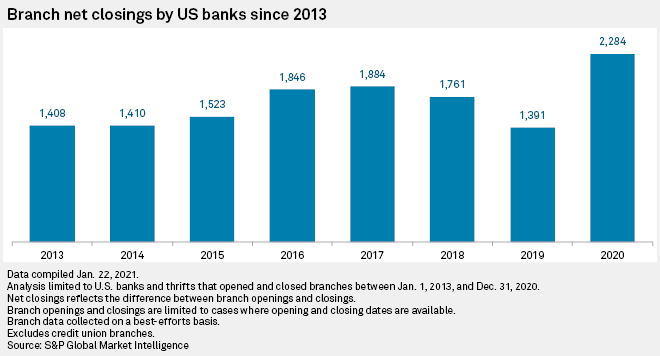
That’s not surprising given the steep costs that come with opening and maintaining branches. This begs many questions: is the cost of maintaining a physical footprint a viable option for credit unions in the coming years? What does this digitally dominant landscape mean for the branch as credit unions assess their need post-pandemic? Are digital-first Millennials and Gen Z members really telling us they want to replace physical branches completely with virtual banking?
A Closer Look
Taking a closer look at recent data gauging the needs of today’s consumers and where branches specifically add unique value to their experience will help shine the light on the answers to these questions.
While it may seem easy to jump to the conclusion that members want every aspect of their relationship with their credit union handled digitally — that would actually be a significant misconception.
The reality is they are looking for value and convenience from every touchpoint with their credit union, be it virtual or physical.
Legacy processes that heavily involve paperwork hold none of that value, neither for members or credit union employees. Still, many banking processes today still force members to seek out printers, photocopier machines, and fax machines, just to complete and sign forms, and provide supporting documentation.
Today’s consumers expect their credit union to give them options that save time and effort. In a recent survey of over 1,000 U.S. banking customers, 79% indicated that they want more all-digital processes, while 77% revealed a great online or mobile experience would actually sway them to switch their financial institution.
A Clear Message
These numbers spell out a clear message to credit unions: members simply don’t want the inconvenience of completing tasks in-person that can be handled much more efficiently digitally.
Legacy processes essentially add errands for credit union members and administrative tasks for branch employees. Digitalizing these processes empowers credit unions to meet the needs and expectations of their members, while enabling them to streamline operations and become more cost-effective.
For example, one Texas-based community bank leveraged an end-to-end digital completion solution during the coronavirus pandemic to make it easier to collect multi-party signatures and speed up their small-business loan application processes. To say customers responded would be an understatement — sessions powered by the digital platform skyrocketed in just two months from 244 to more than 5,400.
The Loyalty Builder
Gen Z, which makes up nearly 40% of the U.S. population, expects their financial institution to do away with the needlessly complicated processes that can easily be handled digitally–and digitalizing those tasks would actually free up credit unions to bring much deeper value.
Still, members today are still looking to speak with an expertthey can trust to advise them on when navigating through important, complex financial decisions such as opening new products, especially large purchases.
Even digitally-minded Generation Z members seek advice when purchasing their first home, or looking to make smart investment decisions as they plan their future–and scrolling through an informational page on a website won’t always cut it.
This is where branches can deliver not only the human touch but the expert guidance that positions CUs as a trusted advisor to their members. That kind of trust and confidence will pay off significantly long-term, helping credit unions increase loyalty and lifetime value from the member base.
Think MX
Credit unions know their unique value is their community approach. And with digital channels they can build digitally efficient and delightful member services. They also need to think about the role of the branch as a community service that differentiates them from both traditional banks and new digital-only challengers.
Technology and community must be the cornerstone of both the branch and digital strategy for credit unions to continue to win their members’ delight.
Zviki Ben Ishay is cofounder and CEO of Lightico.