

By Michael Fryzel
The financial crisis credit unions now find themselves in the middle of has been compared to the mortgage lending debacle of 2008 that caused the failure of numerous corporate credit unions and threatened thousands of natural-person CUs. What is unfortunate is that the comparison is flawed, because the crisis of 2020 is far worse and will have a greater impact on credit unions well into the future.
State and federal regulators across the financial spectrum are looking back at 2008 and what was done to ease the crisis at that time. They are reviewing the measures that were taken to reassure the citizens of our country, maintain confidence in the financial system and to the actions that were initiated to stabilize and insure the recovery of our savings and lending institutions.
That is all well and good. Having historical data as well as the knowledge of what worked in the past allows for smarter decisions to be made when facing a similar problem. What is needed however is the ability to see the difference between then and now. We are seeing unprecedented circumstances that require every credit union to monitor, be aware, be involved and be ready to act.
There was no pandemic in 2008 and the economy did not shut down. People continued to go to their jobs. Our schools and businesses remained open. So, the solution to the problem then was simply to make the proper decisions to right the wrongs. Readjustment, realignment and reorganization were key steps in getting credit unions back on track. There was no need to restart our economic system and recall our work force.
Our New Normal
Today, we find ourselves in uncharted waters. Never before in modern times have we faced what we are now up against. The attack on our country on Sept. 11, 2001 changed the way we live forever as will the after-effects of the coronavirus. We have no idea what the new normal will be.
For financial institutions, especially credit unions, the impact on their operations will be felt for months and years ahead. Unfortunately, many of our small businesses and restaurants already know their fate and they will not reopen. Many of those businesses and their employees are members of credit unions.
Those businesses that do reopen will struggle and may have to reduce their staffs or cancel expansion plans. Employment rolls will shrink, incomes will be reduced and obligations will not be paid. Credit unions must brace for the impact of that on them.
We Will Be Stronger
Even though the picture I have painted is a dark one, I am confident in the strength of our country and its people. Over time we will rebound and be stronger that we were. We have the tenacity to overcome anything, but it will take time and sacrifice. And getting there will not be easy.
Credit unions need to prepare for the worst and hope for the best. They need to understand what lies ahead for their institutions so they have the proper steps in place to address what they will face. This crisis will impact all credit unions. Some more than others. The larger ones should have the financial ability to sustain themselves but the midsize and smaller ones will face the greatest challenge.
Prepare for a Year from Now
Three, six, 12 months from now the impact of late receipt or no receipt of mortgage, automobile and credit card payments will be felt. For some it will be the forbearance mortgage payments that will need to be made. The loss of income will not only impact the bottom line of credit unions but also their ability to maintain staff, keep branches open, serve their members and meet their obligations. In addition, federally insured credit unions should make provision for a possible assessment that may be needed to strengthen the share insurance fund.
All credit unions must look ahead and develop potential scenarios that they may encounter going forward. This process will help them make needed decisions sooner than later. They need to project what may occur through the end of this year and well into the next. They need to look at their sustainability and determine if their future is one of independence or partnership with another.
The Greatest Challenge
Credit unions CEOs and boards of directors are facing their greatest challenge. They must step up and if help is needed, ask for it. They need to be in conversation with their regulator, insurer, trade organizations and representatives in Congress. That is their fiduciary responsibility and they cannot wait to start exercising it. It starts right now.
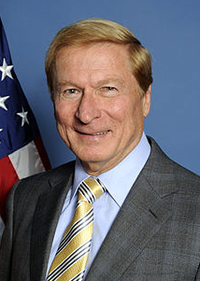
Michael Fryzel is the former chairman of the National Credit Union Adminitration and is now in private practice in Chicago. He can be reached at meflaw@aol.com.