

By Rodney Hood
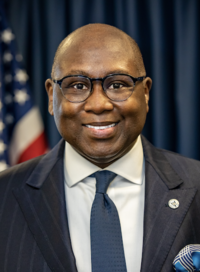
Rodney Hood
Though an annual observance honoring the men and women who have served in our nation’s armed forces, Veterans Day earlier this week also provides leaders throughout the financial services industry with a perfect opportunity to consider a critical question: Are we doing all we can to ensure that our military personnel have access to affordable, quality banking and credit services and products to help them achieve financial security?
As chairman of NCUA, I am committed to enhancing financial inclusion for underserved communities, including active-duty military personnel and their families. Indeed, active-duty families who experience frequent deployments and relocations, as well as service-related disabilities, and other challenges as they transition from military to civilian careers are among those that credit unions should be focusing on.
The challenges service members and their families face can also affect their finances. In 2019, for example, a survey of military families’ financial readiness found that many enlisted armed forces members face chronic financial stresses, like being unable to pay bills on time and having high levels of debt. More than 84% of enlisted personnel and their spouses said they had delayed key life decisions like buying a home due to financial worries.
The good news is that many are hopeful for the future. More than half the respondents said they expect their financial picture to improve in the next five years. So, what can the financial services industry do to help these military families climb the ladder toward financial security?
One critical step NCUA has taken to improve financial inclusion among military personnel and their families is to expand the ability of credit unions to consider them within their field of membership when determining if a credit union qualifies for a low-income designation.
Enhanced Opportunities
Credit unions that carry a low-income designation include enhanced opportunities for business lending; eligibility for federal grants and loans; the ability to accept deposits from any non-members; and the authorization to count secondary capital as net worth. To qualify as a low-income credit union, a majority of the credit union’s membership must meet certain income thresholds. Previously, the low-income-designation process excluded credit union members with Army/Air Post Office or Fleet Post Office mailing addresses.
Under the NCUA’s new policy, however, these members will now be counted as “low-income” when determining the low-income designation. Along with other revisions to the designation process, this change in the calculation should help the ability of credit unions to work with military personnel and their families. We believe that expanding the number of low-income credit unions in areas with significant numbers of active-duty military personnel will enhance financial opportunities for this underserved population.
These efforts to promote financial inclusion will help, but they don’t provide the full story. A complete plan to help military personnel and other underserved populations to achieve financial security should also include a robust commitment to financial literacy education, investments in technology to improve access, and innovative lending approaches. It’s gratifying to see credit unions pursuing all of these solutions.
Lessons From Others
I would encourage other financial services providers to study credit unions’ efforts to improve military families’ financial readiness as they implement their own plans to assist active-duty personnel. For more on the NCUA’s commitment to fostering greater financial access and inclusion, read about our recently launched Advancing Communities through Credit, Education, Stability, and Support, or ACCESS, initiative.
Our nation’s armed services personnel have dedicated themselves to ensuring our liberties and our nation’s security. The least we can do is to help them achieve financial security and peace of mind. Let’s honor the men and women who’ve answered the call to service by making an unyielding commitment to helping them achieve the financial well-being they deserve for themselves and their families.
Rodney E. Hood is the chairman of the National Credit Union Administration.