

Editor’s Note: This piece originally appeared on ChipFilson.com and is reprinted here with permission.
By Chip Filson
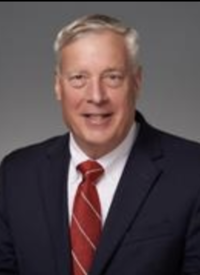
St. Lawrence is the largest county in New York State. Its 100,000 residents live in a rural mix of small towns and farms in an area called the “North Country.” Saint Lawrence CEO Todd Mashaw says he can see the bridge to Canada from his office window. Montreal and Ottawa are closer to credit union’s Ogensburg head office than Syracuse, the nearest large city in the state.
Prior to his upcoming Sept. 30 retirement, CEO Mashaw’s final project was a six month effort to negotiate a merger with the $806-million SeaComm FCU in Massena, N.Y. In the merger video he states, “If the merger goes through I retire and, if not , I retire.”
When the final vote was announced in August the result was 2,428 (70%) against to 1,023 (30%) in favor (as CUToday.info reported here). This overwhelming rejection is unprecedented. The approximately 30% of members who voted is the highest participation in a merger vote where proxies are not involved.
The Merger Project
The selling of the merger proposal was a joint “full court press” by the two credit unions’ CEOs. The special web site “merger page information” contains copies of the many communications to members, including a video with both explaining why they believed this action was necessary for the future.
The hour long video on the site is a free flowing discussion between the CEOs presenting their case for the merger. They cite industry merger trends, multiple predictions about future technology and competition, the need to change now and a frank conversations with staff and members, not all of whom were in favor.
The documents supporting the combination on the site are numerous. These include the schedule of 10 town hall meetings and handouts, a discussion at the annual meeting, a joint letter from both boards, a merger timeline, press releases, special mailings to members, merger FAQ’s, credit union data comparisons and “merger myths.”
This four-month, concentrated marketing blitz culminated in the mailing of almost 11,000 ballots with the Special Meeting Notice and letter detailing the merger plans.
Why Did the Members Reject the Merger?
Saint Lawrence FCU was established in 1954 for the employees of the St. Lawrence State Hospital and their families. It will be 70 years old in 2024. It became a community charter in 2002. Mashaw arrived in 2005 and has been CEO for 13 years.
He acknowledges in the video that the proposal was disruptive and caused some friction with staff and members. He said members were passionate in opposition, deploying several hundred yard signs and wearing T-shirts opposing the plan.
Saint Lawrence FCU’s Facebook has multiple member questions about fees, possible branch closings, ratio comparisons, even one objecting to press announcements “as if it is a done deal.”
Mashaw commented, and he chose the words carefully, that there were “conspiracy theories” promoted about the merger. These included questions about whether he was receiving any special benefit should it proceed. This was responded to in merger myth # 7.
Members As Fans
Many factors undoubtedly influenced the outcome.
Despite the volume of information, some of the logic seems contradictory. Both CEOs argued change is inevitable to confront industry trends, technology competitors and provide staff with enhanced professional opportunities.
Yet throughout the video both assure members they will experience virtually no changes: the same branches remain open, no employee will lose their jobs and both organizations have similar cultures.
As they summarized in the video: “These are two good credit unions taking care of St. Lawrence county members right here that want to continue doing the same thing, but together.”
This effort to assure members even led the CEOs to agree that the Saint Lawrence signage will stay on the branches and current head office.
Two Other Factors
There may be two other factors that influenced members’ voting.
Through June 30, 2023 Saint Lawrence has reported “off the charts” financial performance. The 12-month growth rate in loans is 25%, shares 15%, members 5%, and loan originations for the first six months, 47%. The net worth ratio is 10.6%. The average salary and benefits per employee has increased from $65,000 to $88,000, or 35%.
The growth numbers are three to four times the national averages as of June 2023 for all credit unions.
These results were accomplished when the primary focus of the entire senior management team and board was on the merger effort, including meetings with SeaComm staff on potential organizational roles.
A second factor is that local matters, especially in rural New York state. People want to do business with firms they know and trust.
One FB member post summarized his opposition this way:
“Maybe it’s small town thinking.
1- bigger is not better,
2- competition is a good thing especially in banking.
3- If it ain’t broke don’t fix it .
The SLFCU is as strong as its ever been.”
What’s Next?
Mashaw leaves at the end of the month, but is staying in the area, remains a member and is available per contract for one year.
The nine-person board will decide next steps, whether that be an interim CEO and whether to initiate a full search.
When members campaign using yard signs, wearing T-shirts opposing the plan and post strong opposition on the credit union’s Facebook account, these actions suggest the board and senior leaders were not on the same page as the members.
As one member posted, “Haven’t see a SLFCU member who is FOR this merger except the CEO and Bd.”
The credit union has been a part of the community for 70 years. It is locally controlled and intimately involved with dozens of charities, festivals and special events.
The member-owners fought to keep the organization they built, support and believe in. This is the cooperative democratic process in action. The people’s voice has spoken.
The effort to retain their own, very successful member-owned financial firm was possible because of credit union design. More importantly, this loyalty is the intangible but real goodwill that is the foundation of every credit union’s strength.
Chip Filson is a co-founder of Callahan & Associates and well known within credit unions as an author, frequent speaker, and consultant. Filson also previously served as president of the Central Liquidity Facility (CLF) and Director of the Office of Programs at NCUA. For more info: www.chipfilson.com.