

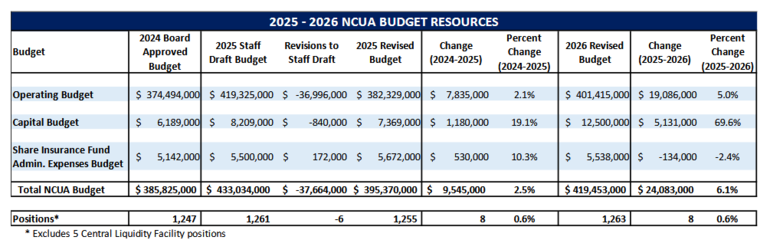
ALEXANDRIA, Va.—As expected, the NCUA board Tuesday announced its final budget for 2025 has been reduced, cutting expenses from $433 million in the proposed budget to $395.4 million.
That $433-million figure represented a 12.2% increase from the 2024 budget.
During the meeting, when the budget was approved in a unanimous vote, NCUA emphasized reductions were made in the operating fee by nearly 1.2%.
The 2026 combined budget is $419.5 million and 1,263 positions—$49 million and nine positions lower than the 2026 staff draft budget (See key adjustments below).
The board also unanimously approved its final rule on succession planning. However it did not go to a vote before Vice Chairman Kyle Hauptman shared concerns about whether the rule will achieve its objectives.
Budget Perspectives
“This final budget is nearly $38 million and six positions lower than the 2025 staff draft budget proposed in October,” said Harper, who noted NCUA positions covered now total 1,255. “The 2026 combined budget is $419.5 million and 1,263 positions. This budgeted amount is $49 million and nine positions lower than the 2026 staff draft budget. The year-over-year increase in the 2025 budget is now just 2.5%. That’s nearly 10 percentage points less than initially proposed. And the 2026 budget has dropped as well. Whereas staff once projected an annual increase of 8.2%, the final 2026 budget increase is now 6.1%.”
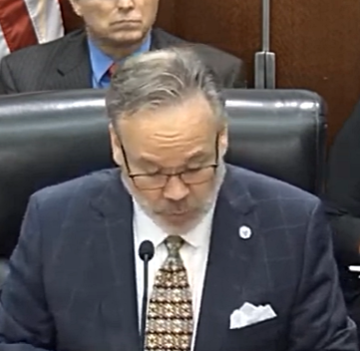
Todd Harper
But Harper stressed where dollars need to be spent. Even with the downward adjustments in spending and staffing, the 2025 and 2026 budgets still “prudently” invest in the areas of cybersecurity and fraud detection in credit unions. The budgets also provide for new staff positions in the areas of consumer financial protection, artificial intelligence, examiner training, as well as in climate-related financial risk.
“This position (climate-related financial risk) will develop a toolkit for credit unions to measure, monitor and mitigate their climate-related financial risks,” Harper said. “It will also aid with updates to the NCUA’s 2006 disaster preparedness guidance to reflect lessons learned from Hurricanes like Helene and Milton, and it will support the creation of training for examiners to help them better understand the lending risks found with solar panels for homes and electronic vehicles.”
Harper noted that many industry stakeholders commented that NCUA operating fees have been an unreasonable burden on credit unions.
“Whereas the staff draft budget projected an operating fee increase of approximately 9% in 2025, this final budget actually decreases the operating fee by nearly 1.2%. What’s more, the NCUA’s operating expenses account for less than 1% of total credit union administrative expenses regardless of credit union asset size,” Harper said, adding that NCUA’s economists found the agency’s 2025 budget, when compared to 2016, has grown by approximately the rate of inflation over that period.
“The agency is not inflating its budgets for its own purposes,” Harper said.
Budget ‘Significantly Different’
Hauptman summarized, stating with the approved budget a $1-million credit union, as an example, will get a bill next year that's about $200 lower than the bill they paid in 2024.
“The final 2025–2026 budget looks significantly different from where we started,” Hauptman said. “We went from a proposed 12.2% budget increase to a 2.5% increase. These adjustments reflect hard work of our staff, thoughtful input from stakeholders, and good-faith discussions among the board.”
Hauptman stressed his views on the budget have been consistent.
“The dramatic increase that we saw in the staff draft budget is the result of our process and of human nature, not anything unique to the NCUA,” Hauptman said.
Succession Planning Rule Approved 3-0
NCUA staff explained the final rule provides that a CU’s board must review its succession plan no less than every 24 months, compared to the annual review that would have been required under the proposed rule. Loan officers, supervisory committee members and credit committee members have been removed from the list of FICU officials that must be covered by the final rule.
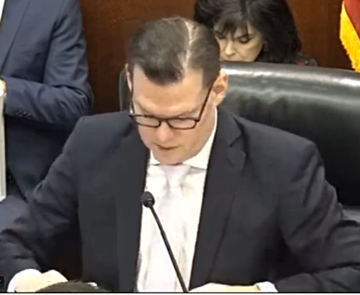
Kyle Hauptman
Also, the final rule no longer specifies a succession plan must address unexpected or temporary vacancies. The final rule’s effective date is Jan. 1, 2026.
Hauptman, while voting for the final rule, said he is not convinced the final rule will yield its expected benefits.
“My skepticism is solely about whether NCUA creating new paperwork for over 4,000 credit unions will actually yield a tangible result that exceeds the rule’s costs,” Hauptman said, noting the additional burden the rule places on credit unions. “That said, in three years there should be clear, identifiable benefits to this rule because the costs are very identifiable. If not, if we don't have clear, identifiable benefits to this rule, then the rule, in my opinion, ought not be approved.”
Hauptman also asked staff for the page count of the final rule. Staff explained the final rule amends two provisions, estimating it will be two pages in length.
Harper’s Views
Harper was more optimistic, stating the final rule establishes a way for NCUA to address one of the most common causes for unplanned and unforced credit union mergers.
“It also ensures that smaller institutions remain the cornerstone of our nation’s federally insured credit union system,” he said. “Specifically, the final rule requires the board of a federally insured credit union to establish a written succession plan that addresses the specified positions that are vital to the credit union’s continued operation and management. Boards also need to review these plans periodically to ensure they remain current.”
Harper pointed out the final rule also requires newly appointed members of the board to gain a familiarity with those plans within six months after their appointment.
“Further, for federally insured, state-chartered credit unions in states that have established succession planning requirements, the NCUA will defer to such requirements to the extent no conflict exists between the final rule and the state’s rules,” the chairman explained.
Harper also noted that some commenters argued the rule will have the unintended consequence of increasing the number of consolidations, as smaller credit unions do not have the time and resources to comply with the rule, leading to more mergers with larger institutions.
“But smaller credit unions can develop succession plans by leveraging the templates included in this rulemaking, getting assistance through the Small Credit Union and Minority Depository Institutions Support Program, and completing online training available through the NCUA’s Learning Management System,” Harper said.