

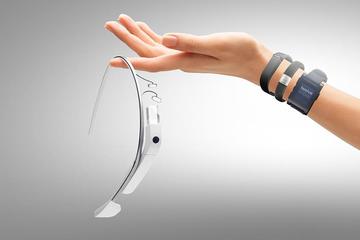
BROOKFIELD, Wis.—With sales of Apple Watch starting fast then slowing, experts are debating what the future holds for wearables, especially for financial services applications.
While some have been pessimistic about the future of wearables, one analyst is predicting that these new forms of technology will gain traction with FIs in the near future, with smartwatches garnering the most attention.
Andrew Barnett, senior consultant, mobile solutions at Fiserv, sees initial uses for the high-tech watches being balance inquiries and alerts, and to a lesser but growing degree, second-factor authentication.
“Financial institutions should be looking to extend alerting capabilities to wearables in the short run, with instant balance and payments capabilities being in a second phase,” Barnett said.
FI Uses For Wearables
The primary way wearables are used today by FIs is for alerting – receiving notification of a low balance or a cleared check, for example, Barnett explained.
“The increased adoption of wearables over time has significant potential to drive mobile transactions such as payments or funds transfers between a checking or savings account. Because they serve as connected devices through which a person can transact, wearables could motivate a wide variety of mobile payments,” said Barnett.
Security is another potentially large use for wearables among banks and credit unions, leveraging wearables as a second form of authentication to the end user, said Barnett, who added this application for wearables could be coming soon.
He explained that the proximity of the wearable device to the end user’s phone can help “prove” to the financial institution that the user does have the phone in his or her possession at the time of the transaction.
“From an FFIEC requirements standpoint around multi-factor authentication, this would cover the ‘something you have’ requirement where the username/password would cover the ‘something you know’ requirement, thus providing true two-factor authentication,” said Barnett.
Smartwatches, according to Barnett, have the greatest potential among all wearables to impact mobile payments, adding another level of convenience to the payment process.
“Smartwatches will definitely impact mobile payments the most, with the Apple Watch being the primary driver,” said Barnett. “Through the phone, Apple Pay solved the problem of convenience with mobile payments by not requiring the user to authenticate through a mobile app or turn on their phone. The Apple Watch extends this convenience by placing the mobile payment device directly on the wrist of the end users, so they don’t even have to take out the phone to make a payment.”
Smartwatches In Lead For Now
Currently, smartwatches are gaining the most traction, which Barnett sees continuing for the foreseeable future.
“These products have not even come close to reaching full market penetration or product maturity,” said Barnett. “Watches and the category of ‘wristwear’ currently account for the lion’s share of wearable device sales, with 90% of the market share in 2014. This number is expected to grow more in the coming years.”
As several experts have stated, consumers will determine the best use for the devices, based on their usage preferences.
“Consumers will likely demand more feature functionality as wearables become more and more mainstream, and as demand for these features increases we will look to incorporate them into our prototypes for further user testing,” noted Barnett.
Barnett said wearables have an encouraging future.
“They will become a more common and more integrated part of our daily lives, keeping us connected to ourselves and the world around us even more tightly than mobile devices connect us today,” he said.