

By Ray Birch
BOSTON—The easy credit and strong economic times that followed the Great Recession left small businesses ill prepared to manage through the coronavirus pandemic, warns one analyst, who is cautioning credit unions to be on the lookout for emerging problems in credit cards as well as CUs’ own lack of experience in doing workout loans.
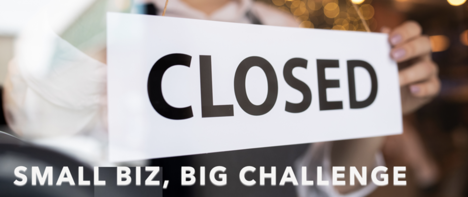
And small businesses’ problems will spill over into the consumer credit world, as well, predicts David O’Connell, senior analyst at Aite Group.
“I think this pandemic could be catastrophic for the small business credit market,” said O’Connell. “Small businesses have been borrowing like crazy, pretty much since the end of the Great Recession. They've been enjoying high approval rates—as high is 79% a couple years ago.”
What is a big concern, said O’Connell, is many of today’s small businesses were launched after the Great Recession, often by company executives who lost their own jobs before beginning a business.
“Many of these folks are probably first-time business owners and have not been through a business downturn like the one we are experiencing now,” he said. “Small businesses, especially restaurants, we know are going to suffer. We head out to the grocery store now, but we walk right past the neighborhood eatery we used to regularly sit down at.
Feeling the Squeeze
“The problem is their revenue is going down dramatically, but they have a lot of fixed costs that won’t do the same,” continued O’Connell. “So utilities, HVAC, principal payments, rent, even payroll—they're not going to budge.”
The squeeze on cash flow, if it’s flowing at all, is going to have small business owners seeking out alternatives as the pandemic continues to lead to a widespread shutdown, O’Connell observed.
“What's going to happen next is businesses are going to have to tap into several things—first of all their business equity, and I am not optimistic about this,” explained O’Connell. “Due to the fact they have been able to get easy credit, I believe many businesses have been lazy about capitalization.”
Owners will then turn to the consumer credit market.
“They're going to go into their personal credit cards, and then their personal cash balances, and then their home equity line of credit,” he said. “I'm really concerned there's going to be some spillover to the consumer world and there's going to be spill-up to the commercial real estate world, because basically, they're going to have a hard time making rent payments to their landlord or strip mall developer.”
First Signs of Trouble

David O’Connell
O’Connell predicts the first signs of trouble will appear among alternative lenders.
“These are often loans for shorter duration, the easy ones you can get online in like four minutes. These loans are generally for three to nine months and they will likely be the first loans maturing during the pandemic,” he explained.
O’Connell emphasized the private equity market that backs alternative lenders is already well aware of what is happening in the small business market and will be unwilling to extend more money for these lenders, many of which are fintechs, to hand out during this difficult period.
“That will be the first sign the credit market is seizing up,” O’Connell said.
This downward cycle will lead small businesses to seek workout loans from their banks and credit unions.
“Trouble is, when you send these owners to the workout department, which was there during the Great Recession, staff won’t be there anymore,” said O’Connell, emphasizing financial institutions are likely not prepared for what’s coming.
“Not only won’t they have the staff to handle the workload, but the expertise here will likely be gone,” he said. “Most of the workout professionals were your older, experienced commercial lenders, and where are they now, 10 years after the Great Recession? In Florida and retired. I think many organizations today lack this institutional knowledge.”
What CUs Need to Do
What credit unions should be doing right now is starting to move quickly to secure the talent to handle an increased need for commercial workout loans, advised O’Connell, and to begin looking at their portfolio data to spot where trouble could first arise.
“The good news is that for the past 10 or 12 years something really terrific has gone on,” said O’Connell. “There has been lots of investment in automation in commercial loan origination. Those systems create really terrific back-end datasets. Credit unions need to start analyzing the daylights out of this data to figure out what's going on. Figure out where the spikes are in loan usage, figure out which of their business types or clients may get hammered the most during the pandemic and begin focusing there.”
While the economy should begin getting back on its feet by the end of the year, what will happen between now and then, said O’Connell, is there will be a “draining of the swamp” among small businesses in the U.S.
“The most poorly capitalized businesses that are overextended will not make it through the pandemic,” he said. “They're not going to weather the storm and will be too fatigued and wiped out to even think about reforming and coming back.”