

By Ray Birch
WEST WINDSOR TOWNSHIP, N.J.—Lenders can benefit from the fact most cars manufactured since 2016 have the technology to share detailed data on the vehicle itself, according to one expert—but it will require borrowers to take out usage-based insurance policies.
Usage-based policies are those that base rates on vehicle usage, mileage primarily. In doing so, the insurance company, and CU as title holder, are allowed to view data collected by the vehicle.
Sumit Chauhan, co-founder and COO at Cerebrum X, which provides AI-driven automotive data services, recommended lenders connect to that information.
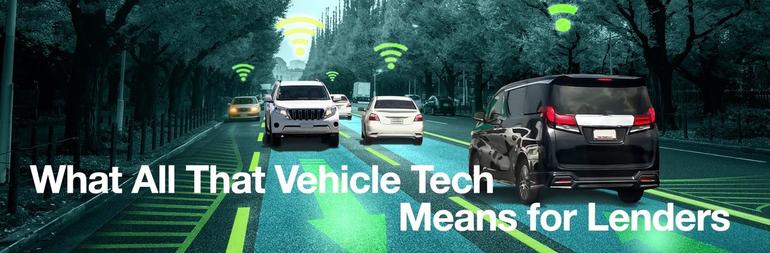
“About 100% of the cars that are being rolled out today are connected, which means all of these cars are collecting data right from when you first turn on the ignition,” he said. “What it means is all of the equipment inside the car in terms of both the hardware and software is under monitoring from day one. Data is being collected on any bug in the car that might exist from a software standpoint.”
The Benefit to Lenders
Lenders are much better off having this information, and in real time, Chauhan said.
“What we are seeing more now is lenders are partnering with insurance companies like GEICO or State Farm, and when the loan is being made having the companies back the car with a usage-based policy. I think more lenders will need to move towards the usage-based insurance policies.”
Chauhan said making that move will help lenders better protect their collateral in a world in which self-parking vehicles, driver-assisted vehicles, and even self-driving cars are making up larger numbers of vehicles on the road, often raising the question as to whether the carmaker is the responsible party in an accident.
The 360 View
As a result, Chauhan said it is getting harder to determine who is responsible for a collision when cars are in these driving-assisted modes.
“Hence, having the data with you, a 360-degree view of what was happening with the driver—was he or she distracted, were they on a call, were they drinking—you can figure that out using the cameras in your car. The camera can tell you what is happening on the road,” Chauhan explained. “Because we have information on what was happening with the car itself and whether there was a problem, like brakes jamming or something, you can clearly pinpoint who was responsible for this collision and then who carries the liability in terms of the insurance cost and the repair. That’s something a lender would want to know.”
No More Shaking Hands
All of the new technology has led to debate, fact-finding and finger-pointing among insurance companies as the cost for vehicle repairs skyrockets, Chauhan said.
“What used to typically happen when a collision occurred, is both people would shake hands and share insurance information and the two insurance companies

Sumit Chauhan
basically figured out what is the least-cost path to get this thing corrected,” said Chauhan. “But in the future what’s going to happen more, and it's actually already happening, is the high cost of collisions is leading people to try and spin who is responsible for these high-priced accidents.”
What the Data Also Reveal
Chauhan pointed out how having access to a car’s data can not only help determine who is responsible in a collision, but also if the car has had any parts swapped out and whether the owner has been paying attention to necessary service.
“What used to happen, for example, is your engine light turns on, and it is left to the discretion of whoever is the owner of the car or driving the car to act on it,” Chauhan said. “Somebody might not act on that light. But, since the car is constantly monitoring data, you can clearly point out when the light turned on and became the responsibility of the owner to act on it.”
Effect on Warranties?
According to Chauhan, all the data now being collected could affect manufacturer and extended warranty agreements, and possibly place the collateral at risk when owners fail to act on a car’s signal that there is trouble.
For example, if the check engine light is not acted on by the owner, that could void the warranty and leave a borrower on the hook for a major bill they can’t afford. That might lead to the borrower to walk away from the loan, with the credit union now not only seeing a loan go bad but also left with a car needing repair.
“That is another reason why it is important for the lender to have access to a car’s data,” Chauhan said.
A Paradox
In addition to the growing debate over responsibility, there is another factor at work, observed Chauhan: since the onset of the COVID pandemic, more collisions have occurred, a trend line that may seem a paradox given that more people have been working from home.
“Collisions have been up for various reasons,” said Chauhan. “One is because there are a lot more young drivers on the road today. When you look at the data the average age of drivers has gone down. I think when the pandemic hit a lot of first-time drivers took up their own vehicle, being averse to traveling in public transport. People wanted to have their own, private transportation. Also, the average speed of vehicles has gone up during the pandemic, since there are fewer drivers on the road. That has led to more accidents.”