

By Ray Birch
WASHINGTON—The new Trump Administration memo requiring independent federal agencies to submit any rules or guidance for review ahead of approval will limit NCUA’s authority and its ability to move quickly to address the movement’s needs, according to four former NCUA chairmen and board members.
One former NCUA chairman termed a key mandate of the memo “unrealistic,” while also sharing concerns the document possibly foreshadows consolidation of regulators.
As CUToday.info first reported here, new rules were announced by the Office of Management and Budget in a memo with the subject line “Guidance on Compliance with the Congressional Review Act.” According to the memo, effective May 11, agencies must submit all proposed rules and regulatory guidance to the Office of Information and Regulatory Affairs (OIRA), which will then determine whether a proposed rule is “major” or “minor” according to standards laid out in the Congressional Review Act.
If the proposed rule is major, it can’t go into effect until Congress has 60 legislative days to vote on whether or not to allow the rule, the OMB memo says. Should Congress vote against the proposed rule, the agency involved is prohibited from devising a replacement rule ever, unless a new law enacted by Congress after the rule was rejected directs the agency to do so, the memo states.
Dennis Dollar Responds
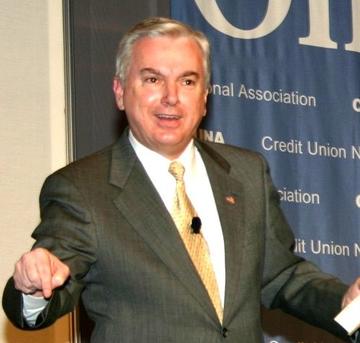
Dennis Dollar
Former NCUA Chairman Dennis Dollar, who headed the agency from 2001-2004, is concerned the memo creates an “unhealthy” relationship between the president, or key members of Congress, and financial regulators, adding consumers who use banks and credit unions may ultimately suffer in the end.
“Personally, my experience as NCUA chairman showed me that the independence of federal financial regulatory agencies—from direct influence by both Congress and a presidential administration—is a matter of good public policy,” said Dollar.
Dollar, who now is principal partner at Dollar Associates in Birmingham, Ala., emphasized that effective means for the administration to guide financial regulators—checks and balances—already exist through indirect methods such as a president’s ability to nominate regulatory agency board positions and Congress’s ability to confirm nominees and hold oversight hearings.
“In my view, those are workable means of accountability to ensure a regulatory agency does not run amuck,” said Dollar. “However, it is not healthy to have either a president or influential members of Congress with ultimate control over the agenda of agencies responsible for the safety and soundness of the nation’s regulatory processes as it relates to financial institutions holding the life savings of hard-working Americans.”
Dollar, who is a former two-term member of the Mississippi House of Representative, stressed that independent agencies should remain independent.
“Subject, of course, to the proper checks and balances already in place through nominations, confirmation and oversight,” he said.
Michael Fryzel’s View
Former NCUA chairman Michael Fryzel said some of what the memo outlines simply can’t be accomplished.
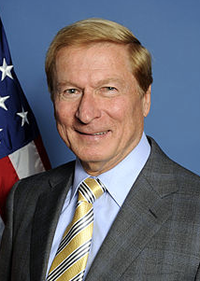
Michael Fryzel
“It requires a congressional vote on new rules and mandates that Congress take such action within 60 days of getting the rule,” said Fryzel, who headed NCUA from August 2008 to August of 2009. “Considering the inability of Congress to act on major pieces of legislation for periods of years, a 60-day action time is unrealistic.”
Fryzel, now a lawyer in a private practice in Chicago, asserted knowing who requested the memo’s drafting would help to truly understand the memo’s intent.
“Knowing the players involved may provide a better idea as to why we are now seeing this document,” said Fryzel. “Is the next step consolidation of the agencies? It is a known fact that certain influential individuals in the administration would like to see certain financial regulators blended together and placed in Treasury. Not sure if that could be done by executive order or if congressional action is needed.”
But Fryzel said if the memo’s directives are implemented, it will delay the regulatory process for months, if not years.
“In addition, with a no vote by Congress, an approved agency regulation could disappear forever,” he added.
Fryzel expects financial regulators will oppose the memo.
“However, it would be interesting to know what the agencies have been told regarding the memo, if anything, and if they have been briefed on what the White House is looking to accomplish,” said Fryzel, who like Dollar was a Republican appointee on the board.
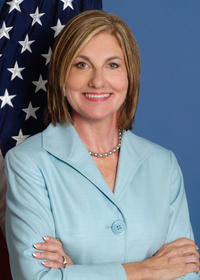
Debbie Matz
Debbie Matz’s View
Debbie Matz, who led NCUA from August of 2009 to April 2016, told CUToday.info the administration’s intent with the memo is clear.
“Undoubtedly it will undermine the independence of the regulatory agencies and could diminish their ability to respond expeditiously to situations requiring immediate attention,” said Matz, who is now on the board of Mutual of Omaha Bank and who was a Democratic appointee to the board. “The intent seems clear—to limit the ability of regulatory agencies to impose new regulations.”
Geoff Bacino’s View
With regulatory relief being “fashionable” under the current administration, Geoff Bacino said it's a little disconcerting the administration feels the need to seek control over potential rules and regs.
“It's understandable that the White House seeks to consolidate power, but for me, this goes too far,” said Bacino, a member of the NCUA board in 2001 and 2002 and a Democratic nominee. “Even though they are an independent agency, NCUA does send potential regulations through the OMB. But this memo goes too far in reducing the independence of the agency and places too many hurdles in the way.”

Geoff Bacino
The partner at Bacino & Associates added those hurdles only add time and potentially more regulation, and encourage “partisan politicking.”
The Trade Group Response
As CUToday.info previously reported, the credit union trade groups believe the memo could be a good thing, sharing , however, concerns over the potential effect on NCUA’s ongoing independence.
As CUToday.info also reported, the effort is part of a broader effort by the White House to take more control over the federal government, including independent agencies such as the CFPB, SEC, Federal Election Committee and even the Federal Reserve (with exemptions around its rate-setting powers) that have typically operated without strong oversight.