

By Ray Birch
MADISON, Wis.—Credit unions should scan their portfolios for lower-income members with student loans who are likely to be at greatest risk for becoming problem borrowers, says Steve Rick.
TruStage’s chief economist urged CUToday.info readers to identify those members and to review their ability to pay their obligations to the cooperative as their monthly budgets becomes stressed from the end of the forbearance period on federal student loans.
The restart of payments will also intensify the liquidity pressures being felt at many credit unions, Rick added. The only upside to the retuning of debt, he said, is it might drive a reduction in the rate of inflation and possibly lead the Federal Reserve to halt rate hikes.
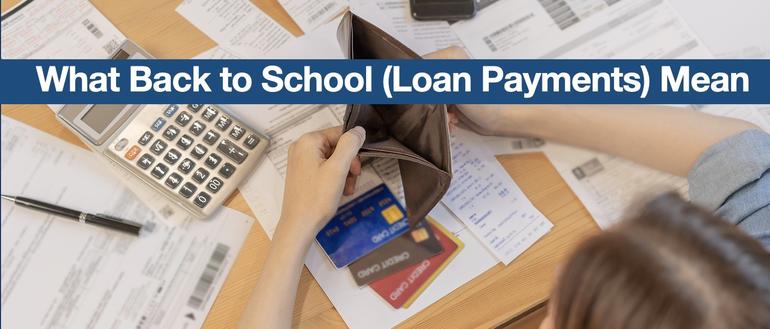
October marks the official restart of payments on federal student loans, which began accruing interest again effective Sept. 1.
As CUToday.info has been reporting, the resumption of payments is expected to put a crimp on many individuals and households that have not had to make payments since the federal government put a pause in place three years ago during the pandemic. As CUToday.info also reported earlier, the average consumer with a student loan carries about $35,000 in debt, according to a new TransUnion study.
Not Felt Equally by All
But the effects of the resumption in payments will not be felt equally by everyone.
“This is going to be a big impact to lower-income student loan debt holders,” Rick said. “People are already having financial insecurity, some financial stress. For a lot of these people their monthly loan payments are going up by $300 to $400 a month. And a lot of them haven't really budgeted for that.”
Not surprisingly, that kind of hit to the budgets of many will affect their ability to pay for food, rent and healthcare are going to have to be cut back, Rick pointed out.
“Or, they're going to become delinquent on some other loan, and we're already seeing delinquency rates rise in this country,” he said.
Al of that is coming at the same time rising rates have driven up the cost of credit card debt and auto loans.
Potential Fallout for Delinquencies
“We could see those delinquency rates going up even more, and we are somewhat concerned this is going to be a little bit of an economic headwind,” said Rick. “This is going to slow things down a little bit—consumption spending. We have seen different estimates from different economists who are saying that this could shave .3% to .4% from consumer spending going forward.”

Steve Rick
Rick noted consumer spending is 70% of the U.S. economy.
“That reduction in consumption spending is just a little bit, and not enough to cause a recession. I want to be clear about that, I don't think this is going to lead to a recession,” Rick emphasized. “But it will slow things down. I think some of retailers, such as Walmart and Target, will see that little bit of drop in their sales as people spend more on the debt payments and less on going to the store and buying things.”
Meanwhile, Rick said the housing sector is also going to feel the fallout from the resumption of student loan pyaments, as those who have recently taken out mortgages are paying interest rates north of 7% on their debt. He reminded that many of the student loan debtholders are Millennials, ages 26 to 40, who are feeling greater strains on their ability to become homeowners.
“It's going to affect the housing sector a little bit,” he said.
Potential Decline in Inflation
In all, approximately 20 million Americans who hold federal student loan debt will have to begin making their payments again this month.
“With many Americans spending a little bit less, that will probably accelerate the decline in the inflation rate,” Rick noted. “You take 20 million Americans and they are not spending $300 or $400 a month as they used to. That means inflation would be dropping faster than we otherwise would have seen. And that would, of course, mean the Federal Reserve may not have to raise interest rates to further control inflation. The Fed just may hold where they're at.”
Rick agreed there may be a segment of borrowers who simply banked on their student loans just going away for good and being “foregiven.”
“Some of these people probably thought they would never have to start making payments again, or that the country would just keep pushing the forbearance into the future. For three years, many people adjusted their budgets to not having to pay this,” he said. “Now, all of a sudden, they have to start paying $300 to $400 again. That is a lot for low-income Americans.”
Taking on More Debt
Rick cited a recent report that shows many student loan borrowers took on more debt once their loans were placed in forbearance.
“They took out more auto loan debt, credit card debt…they borrowed more in other sectors thinking well maybe I don't have to pay back the student loan. Now they are in a really bad position,” he explained.
How will credit unions be affected?
“This is going to intensify the liquidity crisis that’s going on,” Rick contended. “We already are seeing members taking money out of the credit union to put in higher-yielding money market accounts, for example. And now, with these student loan payments, a number of members will not be saving as much, and may likely have to draw down on their savings.”
Get Ready
Overall, that combination of factors is going to intensify the liquidity stresses felt by many and it will push up the delinquency rates, Rick noted.
“Credit unions are going to have to put a little bit more in their provisions for loan losses, setting aside money for any charge-offs,” he said. “That's going to affect their earnings and bottom lines. There is going to be less deposit growth and lower earnings than they otherwise would have had.
“Prepare for more members who are going to have some financial difficulties going forward and be ready to start working out some delinquency problems with some of them—such as restructuring debt or helping them out,” concluded Rick. “And again, a lot this will be low-income individuals.”