

By Ray Birch
ST. PETERSBURG, Fla.—With the concept of “less contact” top of mind among everyone right now, will one of the outcomes of the pandemic be greater use of contactless payments?
Several payments experts think so.
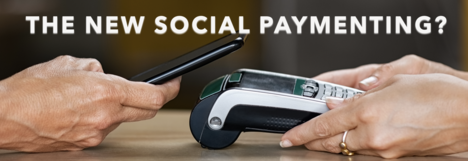
“I can tell you what I think, and what I have seen,” said Brian Scott, chief growth officer at PSCU. “Recently, as I was checking out at a Whole Foods store, I used Apple Pay like I always do and the cashier said, ‘You are like the tenth person in the last hour to use your phone to pay, I’ve never seen that much in an entire day.’”
Scott said he has noticed consumers, including himself, also using their phones to pay more at drive-throughs.
“Prior to the pandemic, while I knew paying with my phone was an option at many drive-throughs, I wasn’t using my phone to pay. And I am now,” said Scott. “So, based on this small anecdotal sample size and my own conjecture, I think using mobile to pay will be the big winner coming out of this crisis. A perception that your phone being contactless at a drive-through or in person is less contact than even a contactless card, might win over consumers.”

Brian Scott
But there remains a “big bump in the road” for digital, said Scott, and that is more retailers must enable and roll out contactless technology.
“Which I think will start happening at faster and faster rates because of consumer demand, not just because of the virus,” he said.
Dirtier Than Restroom Handles
Bill Hardekopf, CEO of LowCards.com, believes the pandemic will have an impact on payments.
“At least in the short term I think it will help tap and go and all contactless payments,” he said. “People may try to avoid handling money, and they may want to also keep from touching the processing machines used for debit and credit cards. I believe it will definitely help the contactless payment industry.”
Hardekopf cited recent research from New York University that discovered hundreds of microorganisms on the surface of paper currency, ranging from skin bacteria to pet DNA and even cocaine. He noted a LendEDU report that found ATMs across New York City were dirtier than subway poles and public restroom handles.
“If you can’t trust a card reader or cash, what can you trust to make necessary in-person payments?” asked Hardekopf. “The World Health Organization recommends using digital payments, such as mobile wallets, as often as possible. This bypasses the need to touch card readers. Contactless cards are also good options as long as the card reader is contactless-compatible. Contactless debit cards are projected to represent 60% of the debit card market by the end of next year.”

Bill Hardekopf
When the pandemic ends, Hardekopf believes many people will go back to paying the way they have become accustomed to paying.
“But I believe a certain percentage of them will remain with contactless payments afterward,” he predicted.
The Impact on Plastic
Tim Kolk, principal at TRK Advisors, agreed the COVID-19 pandemic will drive greater use of digital payments, adding that it will have an even larger impact on plastic.
“We’re going to see in the next 30 days some of the most critical impacts,” said Kolk. “Compared to the last few years all revenue items can be anticipated to come down for credit card issuers: Yield will come down because prime is down 225 BPs from its high. This will push yields down about 200 basis points. And Interchange revenue will come down to the extent consumer spending declines. And I can’t imagine that it doesn’t.”

Tim Kolk, TRK Advisors
Effect on One Continent
Another example: Africa. Countries all over the continent have been turning to digital finance as a means to stem the spread of COVID-19. Governments and startups on the continent are implementing measures to shift a greater volume of payment transactions toward mobile money and away from cash. It’s an option facilitated by the boom in fintech that’s occurred in Africa over the last decade, Tech Crunch stated.