

By Ray Birch
SANTE FE, N.M.—Skyrocketing home prices and an overheated mortgage market are not leading to another mortgage bubble like the one that burst in 2008, according to the economist who predicted the onset of the Great Recession—and its housing bubble—well before they arrived.

Dwight Johnston, former chief economist for the California and Nevada CU Leagues and before that chief economist at the now defunct Wescorp—where he warned leaders there the mortgage market was collapsing–told CUtoday.info the fundamentals in the current economy won’t produce those same tragic results—as long as major economic changes don’t happen.
“Certainly, the market is overheated and several markets are vulnerable to a modest downturn, especially those that are high in mortgages still in forbearance programs,” said Johnston, who is retired. “The biggest risk is that rates rise more than anticipated.”
As CUToday.info reported, Google reported the search question, “When is the housing market going to crash?” spiked 2,450% in April of 2021. Right behind it in popularity was the question, “Why is the market so hot?” with searches doubling in just one week.
Obvious Concerns
The questions come as the mortgage and home markets remain white hot, leading to obvious concerns by many that the bubble is going to burst.
“And, in the most telling indication that the market may be in a bubble,” observed MSNBC, was this question that jumped 350% over the prior week: “How much over asking price should I offer on a home 2021?”

Dwight Johnston
MSNBC noted there are various measures of home prices, but one of the most timely and watched is from CoreLogic, which showed prices up 10.4% in February year over year. That is the largest annual jump since 2006, the report pointed out.
“Only an unexpected recession caused by an event more permanent than the pandemic would cause a serious housing crisis,” stated Johnston. “Most likely, prices will flatten or move modestly lower going into next year.”
Lessons Learned
Robert Eyler, professor of economics at Sonoma State University in Rohnert Park Calif., who consults with the California and Nevada Leagues, said one of the reasons he is not yet fearful that another housing market crash is coming is lenders and regulators have, in fact, learned their lessons.
“This time we actually have learned some of the lessons from the last crisis,” said Eyler. “We're not as exposed on the subprime side. There’s better risk characteristics in the mortgages on the books now, so I feel like the data suggests we're in better structural shape than we were going into 2007.”
Eyler also emphasized the drivers behind the current rise in home prices are unlike the drivers that led to the housing bubble just a little more than a decade ago.
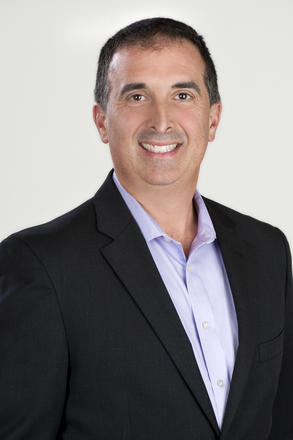
Robert Eyler
“What happened in 2007 and 2008 was a supply side problem, meaning that you had people who were in homes who could not afford to stay in them and recession basically created conditions under which they couldn't stay in their homes,” Eyler explained. “That increased the supply and it collected units on the market very quickly and undermined the market.”
Eyler said that is not what’s happening now.
“Now you have people who are in homes who don’t have the risk exposure (of 2007-2008),” said Eyler, emphasizing those homeowners, particularly those in larger homes, have solid jobs an income now. “At least on the surface there are better risk characteristics than the last time. If you look at banks and credit unions across the United States, they're actually rolling back their original allowance for loan losses because they believe the metrics tell them the risk exposure in the housing market and in their own mortgage portfolios is not that large.”
Not the Wild West
Moreover, another big key the current more sound housing market, according to Eyler, is it’s not the “wild, wild west.”
“In terms of the regulatory side, the loans are being scrutinized a lot more deeply in terms of creditworthiness of the borrower,” said Eyler. “For that reason alone I don’t see rising prices this time as an indicator of an impending bubble bursting.”
What is also important now, is the supply side of the housing market is not racing up parallel to buyer demand.
“Therefore, we are basically in a place where we will have an increase in prices,” Eyler said, adding home prices will eventually begin to flatten as supply grows.”
And Johnston, who was so confident of his own forecast that he sold his own home well ahead of the 2008 housing collapse, agrees.
“I have no feelings at all that this is anything like 2008,” he said.