

By Ray Birch
BURLINGAME, Calif.—Is it time credit unions go back to a subscription-based checking model?
One CEO of a small credit union suggests all of the focus on overdraft policies is reviving that thinking within the CU community.

As CUToday.info has been reporting, a growing list of primarily large credit unions and banks have announced the elimination or reduction in OD fees. The CFPB, too, is zeroing in on the charges, and NCUA has said it will also be scrutinizing credit unions’ overdraft programs.
“I've heard people talking…do we go back to a subscription-based checking account,” said Linda White, CEO at $102-million Upward CU here. “Well, that's like 1985. Is all this pressure around overdrafts taking credit unions back to 1985?”
White reminded that for many years ago consumers would pay a monthly fee for their checking account.
“We've gotten away from that to where we do a service-based fee,” she reminded. “You're paying for something that you need now. If you're abusing it, then we have the responsibility to educate you to save you that money.”
At least one credit union has moved to a subscription-based overdraft model—Wisconsin-based Marine Credit Union, as CUToday.info reported here.
Mounting Pressure
White said while she is satisfied with her credit union’s approach to overdrafts—charging members a $30 fee, which is the national median price, educating them about how to use overdrafts, and then being clear on the CU’s OD policies—there still is mounting pressure on the service from the market and regulators.
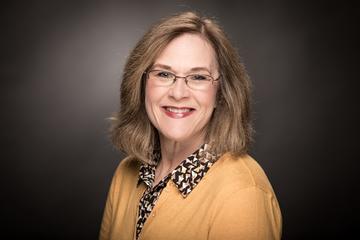
Linda White
Should the CFPB begin to really dig into overdrafts, White said, “I guess we will cross that bridge when we get there…But I believe what the CFPB is concerned about are financial institutions that are not disclosing their overdraft policies correctly to members. That’s their biggest issue—that people don't know what they're being charged and how the fees are being charged. It is the ordering and clearing of items and how many fees does someone get charged.”
Being ‘Transparent’
The focus on overdrafts today is coming more from Washington and consumer groups than consumers themselves, asserted White.
“We have 4,500 checking accounts and only one member has reached out with any concerns here,” White said. “Our members do not feel we are taking advantage of them and they appreciate the overdraft service we provide. As I said, we're very transparent with our overdraft disclosures and members can opt out of the service if they don't want us to bring them negative.”
White added the credit union will make exceptions at times for members in good standing who have direct deposit if they have insufficient funds for a major monthly payment, such as the mortgage.
“In that case we might bring them negative, because we don't want people’s mortgage checks to bounce,” she explained. “We'll go ahead and bring them negative. But in other cases we will return the check.”
More Than Just Pricing
White restated the importance of not only being clear about overdraft policies but also teaching members how to use the service correctly.
“You need to educate your members on how to use the overdraft program to avoid any unexpected fees,” said White. “And waiving the fee all the time is not the right solution. We feel members must understand a fee is charged and why. Otherwise, if you waive fees all the time, it’s like giving someone a bowl of candy and say, ‘Have at it, eat that whole bowl.’ But then you get sick. The fees, along with good education, help you manage that bowl of candy—making you better at managing your finances.”
White acknowledged the conversation about waiving overdraft fees in the wake of all the negative national media coverage of the long-time practice has become a growing discussion topic among smaller credit unions, which are less likely to have the kind of net income cushion that allows for the waiver of such fees.
“Bank of America, Chase…they are getting rid of these fees but we don't see under the surface where this is going to be made up,” White said.
Sleeping at Night
White said the test for her around the credit union’s overdraft program is whether she can sleep at night.
“I told an examiner once that we have a job to do, and I can go to sleep at night knowing that I'm doing the right thing (with overdrafts) for my members,” she said. “This program is helping our members who have a hard time, and are living paycheck to paycheck.”