

ALEXANDRIA, Va.—NCUA on Wednesday launched a sweeping “Deregulation Project” that could lead to the rollback or streamlining of a wide range of existing rules, signaling potential regulatory relief for credit unions through the elimination of outdated, duplicative, or overly burdensome requirements tied to governance, audits, and data-security guidance.
NCUA on Wednesday said its announcement marks the first round of proposed regulatory changes under the new initiative to review and potentially revise the agency’s regulations.
NCUA added the Deregulation Project follows Executive Order 14192, Unleashing Prosperity Through Deregulation, and will involve a comprehensive review of regulations documented in Title 12, Chapter VII of the Code of Federal Regulations.
“This review will ensure the regulations are focused on the safety, soundness, or resilience of credit unions,” the agency stated in a release.
Further, NCUA said it will propose changing or removing regulations that are:
- Obsolete
- Duplicative of statutory requirements
- Intended to serve as guidance, not requirements
- Overly burdensome
In addition to announcing the project, NCUA is requesting comments on four proposals that would clarify agency guidance or eliminate unduly burdensome or obsolete requirements in the Federal Register.
The four proposals include:
- Changes for Corporate Credit Unions – 12 CFR 704.8 and 704.15
- NCUA is proposing to amend its regulations for corporate credit unions by removing the requirement that a corporate credit union’s asset and liability management committee (ALCO) must have at least one member who is also a member of the corporate credit union’s board of directors.
- For more information on this proposal, see: https://www.federalregister.gov/public-inspection/2025-22487/corporate-credit-unions
- Changes for Supervisory Committee Audits and Verifications – 12 CFR 715
- NCUA is proposing to amend its regulations governing supervisory committee audits to eliminate unnecessary, redundant, and overly prescriptive provisions.
- For more information on this proposal, see: https://www.federalregister.gov/public-inspection/2025-22488/supervisory-committee-audits-and-verifications
- Changes for Guidelines for Safeguarding Member Information – 12 CFR 748 Appendix A
- NCUA is proposing to remove Appendix A to part 748, guidelines for safeguarding member information, from the Code of Federal Regulations.
- For more information on this proposal, see: https://www.federalregister.gov/public-inspection/2025-22489/guidelines-for-safeguarding-member-information
- Changes for Guidance on Response Programs for Unauthorized Access to Member Information and Member Notice – 12 CFR 748 Appendix B
- NCUA is proposing to remove Appendix B to part 748, guidance on response programs for unauthorized access to member information and member notice, from the Code of Federal Regulations
- For more information on this proposal, see: https://www.federalregister.gov/public-inspection/2025-22490/guidance-response-programs-for-unauthorized-access-to-member-information-and-member-notice

John McKechnie
To submit comments, type or paste the docket numbers into the search on the Federal Rulemaking Portal. For more information about the NCUA Deregulation Project, visit: https://ncua.gov/news/deregulation-project
Washington Analysts React
Washington credit union advocate John McKechnie said the announcement likely marks only the beginning of NCUA’s effort to streamline its regulations.
"At first blush, this seems to be another down payment on NCUA's regulatory relief approach," McKechnie told CUToday.info. "There are probably several more detailed and substantive relief items that could be put forth next year, and I suspect they will be."
Former NCUA Chairman Dennis Dollar also sees more regulatory reform on the way.
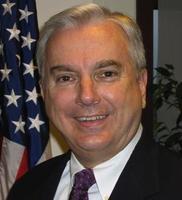
Dennis Dollar
“Once a full NCUA board is in place, it is hoped that this is a starter list for regulatory reform that is less burdensome and more flexible in a dynamic marketplace," stated the principal of Dollar Associates, based in Birmingham, Ala. "There’s not anything of earth shaking substance here, but it is a good sign that Chairman (Kyle) Hauptman is throwing out the message to the next board and chairman that the fields of regulatory relief are - as the Bible says - white unto harvest. And, hopefully, these initial seeds indicate that the season for regulatory reform has only begun. A lot more crop for regulatory relief is out there for the reapers.”
The Defense Credit Union Council applauded the deregulation initiative.
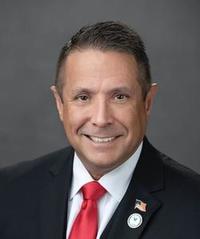
Anthony Hernandez
"DCUC is encouraged by this opening phase in NCUA's 'Deregulation Project,'" stated DCUC President and CEO Anthony Hernandez. "I am sure there will be more to come as DCUC has championed this effort and will continue to work with the NCUA in providing feedback and recommendation for further elimination of unnecessary and outdated regulations. I see great opportunities to really make a difference for our industry in 2026. There is a lot to look forward to."

Jason Stverak
"By removing rules that are obsolete, duplicative or overly burdensome, the Deregulation Project has the potential to reduce unnecessary compliance costs and free up credit unions to focus on serving their members,' said DCUC Chief Advocacy Officer JasonStverak. "We believe the proposed changes to corporate-credit-union governance, supervisory audits, and data-safeguarding requirements will foster a more efficient, risk-focused regulatory framework that supports credit-union growth and innovation — while continuing to safeguard member deposits and the health of the system. We encourage NCUA to continue to work collaboratively with the credit-union community as this process moves forward."

Scott Simpson
America's Credit Unions President/CEO Scott Simpson thanked Hauptman and NCUA "for taking a close look at the regulatory burden facing credit unions and prioritizing transparency and intentionality in this ongoing effort. We’re grateful they understand the exponential opportunity that is unlocked in the lives of credit union members when outdated, duplicative, or unnecessary regulation compliance no longer impacts the institutions they trust."
ACU added that it is engaging with the NCUA on these efforts and plans to host an upcoming webinar with agency staff to review the proposals. The association will also solicit member feedback and provide formal comments on them.
Doug Wadsworth, president and founder of the Endangered Small CU Defense (ESCUD), said his organization helped shape NCUA’s Deregulation Project.
As CUToday.info reported, ESCUD is focused solely on advocacy for smaller credit unions under regulatory strain. The group submitted recommendations to NCUA earlier this year targeting compliance relief—specifically around committee audits and simplifying biennial account verifications.
“NCUA Chairman Kyle Hauptman confirmed ESCUD's impact in a LinkedIn exchange with me,” stated Wadsworth, who is also president and CEO of Tri-CU Credit Union. “This acknowledgment shows how focused and specific advocacy efforts for small credit unions can speed up relief. ESCUD was just formed in July 2025 and is gathering endorsements from other small credit unions.”
For more information on ESCUD, visit www.endangeredsmallCUdefense.org.