

By Ray Birch
GARDNER, Mass.—The current pandemic could be the most trying period for any credit union CEO, says Tina Sbrega—simply because there’s nothing in the past to truly compare it to.
Sbrega, CEO of the $544-million GFA Credit Union, spoke with CUToday.info as part of a series with CU leaders on the responsibilities of running a credit union when every CEO is facing unprecedented challenges. She said what is most concerning is the “competing priorities” CEOs must now address.
“You have the concerns for the safety of your staff, concerns for your members’ financial wellbeing, concerns for your communities, and concerns for the financial viability of the credit union,” Sbrega said. “As credit union leaders, we have so many balls up in the air right now. Tough times require tough leaders, right? So we can really shine if we’re strong leaders.”
GFA Credit Union, which is multi-SEG based, has been supporting members with loan deferrals, skip-a-pays and emergency loans. GFA is also an SBA lender and has been participating in the Paycheck Protection Program for small businesses.
Sbrega noted that traditionally how well a credit union navigates its way through any crisis depends in part on how well it was prepared for the event. But while every credit union has a disaster plan in place, she asked, “How you could ever really prepare for something like this?”
Multiple Priorities
Part of the challenge in preparing for the current environment, said Sbrega, is there are so many simultaneous priorities.
“We have two primary issues, obviously, we are addressing right now. They are related but very different,” she said. “You have the concerns around protecting your staff, so you are putting things in place to safeguard their wellbeing, such as working at home, social distancing, cleaning your building and monitoring staff health. But simultaneously, we have to work harder than ever to serve our membership.”
Despite the COVID-19 crisis’ entirely different nature from all the other rough patches financial institutions have encountered, Sbrega said leaders still must try to draw on the past in an attempt to forecast the coming months and years as a result of the crisis.
“You have the Avian flu, SARS, and other pandemics we’ve encountered. And we certainly can draw on experiences from the recession of 2008 and 2009,” she said. “We can take lessons from the Great Recession, especially in terms of high unemployment—but we never faced anything like the unemployment rates were are seeing now. How did the high unemployment rates then impact things such as property values? What were the financial implications of high unemployment coming out of the last recession—try to match those up against what is happening now and try to figure out what might happen next. To some degree, that is all we can do.”
The Survivors
Sbrega, like other credit union leaders who have spoken with CUToday.info during the pandemic, is concerned about the ability of some credit unions to survive this crisis. Despite GFA’s strong capital position (10.79%), the CEO acknowledged those concerns even include her organization.
“I would be wrong if I said I was not concerned about this issue,” said Sbrega. “But we came into this pandemic well capitalized at 10.79%. We have a lot of liquidity. So if we were to experience any unanticipated deposit outflow, we are awash with liquidity. We entered the pandemic very healthy, but others are not in this same position.
“I think you have to be pragmatic and recognize there are so many unanswered questions now and no one has the answers,” continued Sbrega. “How long is the shutdown going to last? How quickly are we going to be able to recover? How will the country be able to take 20% or 30% unemployment and come back to a normal level of employment—and I don’t mean the 4% unemployment level before the crisis. You look at all this and we're preparing for the worst—what does the burn rate look like in terms of a strain on our liquidity, a strain on our capital, a strain on relief forces for this country. If anyone thinks they will come out of this unscathed…All I can say is we’re all going to come out of this with some bruises.”

Tina Sbrega
The Prior new Normal
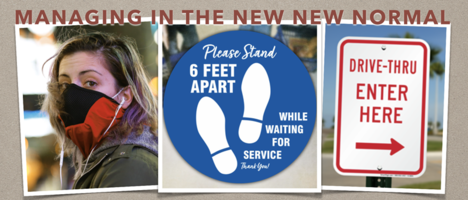
Looking back on the Great Recession, Sbrega recalled talk about the “new normal” during that economic downturn, such as an extended period of low interest rates. Sbrega said predicting what the new normal will coming out of the COVID-19 crisis is much more difficult, but added she is certain that definition will somehow include small businesses.
“I am very concerned about small businesses,” said Sbrega. “It's one thing to say, ‘OK, you can reopen.’ But you don’t just open your doors and return to normal, I am afraid. A bunch of small businesses will not be able to survive the shutdown.”
In addition to worries over how that will affect local communities GFA serves, Sbrega remains uncertain over how the coronavirus pandemic will affect her own credit union.
“All I can says is I believe we are a year or two away from being able to say we're back—back to whatever the new normal will be,” she said.