

By Ray Birch
BIRMINGHAM, Ala.—Whenever Walmart makes a major move, all other retailers, including FIs, must pay attention, which is why the company’s recently filed patents deserve prompt attention, according to one person.
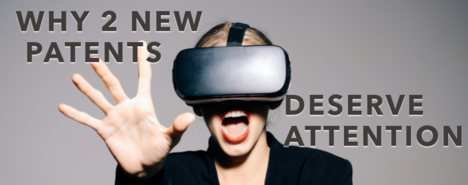
The patents are all related to virtual reality-based shopping, said Bill Hardekopf.
“Walmart could be bringing virtual reality shopping into consumers’ homes,” said the CEO of LowCards.com, pointing to two patents filed by the mega-retailer. “They patents describe a system in which users wear a VR headset and sensory gloves to get an in-store experience at home. Orders placed through the VR program would go to a fulfillment center, where robots would pull orders to submit for shipping.”
Hardekopf said the patents do not explained how Walmart would get VR gear to customers, or what the company truly intends to do with these patents.
One Scenario
“They could send out the gear for a small fee and offer a discount on the first purchase made through the platform—possibly buy the necessary equipment for $15 and get 10% off your first order. They could also send out the headsets and gloves for free, hoping to get their money back through increased sales,” suggested Hardekopf.
Hardekopf explained that the two patents Walmart has filed are for different VR applications. One, filed in December 2017, would be for some form of VR kiosk, while the other, filed in January of 2018, relates to home shopping. Only recently did both patents become public, he said.
“It is amazing to me what has been happening in the retail payments segments and within the entire retail industry,” said Hardekopf. “So much is changing. Not that many years ago, who would have thought we would have the ability to pay for something by waving our phone over a machine? No one had heard of the digital wallet, there was no such thing. Now you can order things on your phone and have them delivered to your house—how this is progressing is remarkable.”
A Big Step Gets Bigger
But virtual reality shopping takes things a big step farther, insisted Hardekopf.
“You put on these virtual reality headsets and it appears as if you are walking right down the aisles of a Walmart store,” said Hardekopf, imagining how the service would work. “You just walk down the aisles and shop as you go. And you wear these sensory gloves and just point to things and they go into your cart. Then you just hit a button and pay with your card on file or digital wallet and, boom, you’re done. The products are either delivered to you or you are given a certain time you can pick them up at Walmart. You show up at the proper time and some guy brings your items to your car, loads them up and off you go.”
Why It Matters
Why all this matters to credit unions, said Hardekopf, is the standard it sets for how consumers expect to interact with their providers. A good example is how consumers have come to expect the same look and feel in the mobile applications offered by financial institutions as they receive from retailers and entertainment companies.
“The first thing that comes to mind is a busy mom who has a bunch of kids,” said Hardekopf. “After a hectic day, she finally puts the kids to bed and tells her husband she’s off to another room to shop. She puts on the virtual reality headset and sensory gloves and works her way through a Walmart store right from home. Pretty amazing.”

Bill Hardekopf
Hardekopf posited that if virtual reality shopping takes hold among retailers that it would lead to a faster decline in the use of cash and would likely give mobile wallet usage a boost. He said traffic in physical stores would certainly decline, and lead to people shopping in stores for more “spur-of-the-moment” items as opposed to planned for purchases.
Death of the Branch (Again)?
And what of the physical presence of credit unions?
“I don’t know if you put on a headset and do your banking. I don’t think branches are going to die,” forecast Hardekopf. “If I want to make an important financial decision, like taking out a loan, I want to sit down with someone.”
But while banks and credit unions may not be the businesses affected the soonest by VR shopping, they would be affected simply by consumers’ changing service expectations, Hardekopf agreed.
“Right now, these are just patents,” emphasized Hardekopf. “It does not mean Walmart is jumping into this, or if they ever will. But I would say this is a strong possibility. This is going to be fascinating to watch to see how all this plays out in the coming years.”