

By Ray Birch
LINCOLN, Neb.–Recent lawsuits filed by state banking groups challenging a field of membership expansion won’t be the last time Nebraska’s state-charters face such threats, says Scott Sullivan, president of the Nebraska CU League.
As CUToday.info reported, two state banking groups here have filed suit against the Nebraska Department of Banking and MembersOwn Credit Union over the credit union’s plans to expand its field of membership. The Nebraska Bankers Association and the Nebraska Independent Community Bankers filed the lawsuit in June alleging the regulator’s approval of the FOM expansion is improper.
The $100-million MembersOwn applied early last fall to expand its field of membership from Gage and Lancaster counties to a 13-county area in southeast Nebraska.
‘Very Aggressive’
“The banking lobby has been very aggressive in opposing any of our field of membership expansions at the state level,” said Sullivan. “This is the first time they sued the regulator over an FOM expansion and, unfortunately it won’t be the last. I'm confident they will continue to do that anytime a state-chartered credit union wants to expand their field of membership. We don’t have lot of state-chartered credit unions left in Nebraska, and this is one of the reasons why.”
Sullivan described the process Nebraska state-chartered CUs must follow to request an FOM expansion “unique and cumbersome.”
“There are some hurdles that state charters have to go through that federals do not. A federal credit union wanting to expand simply makes its case and submits the request to NCUA for a decision,” explained Sullivan. “On the state level, the bankers have the ability to oppose an expansion before the regulator actually rules on it. The banking lobby is inserting themselves prior to any decision being made by the state regulator.”
How Nebraska’s System Works
When an FOM expansion request is made by a Nebraska state-chartered CU, the state banking department publishes the request within the counties where the CU wants to expand,” explained Sullivan.
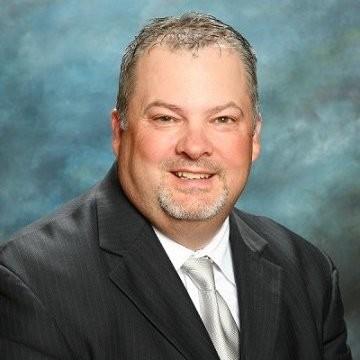
Scott Sullivan
“That's what happened when MembersOwn submitted its application to the department of banking. The bankers saw the notice and they filed opposition to it,” he said.
At that point the Department of Banking can either determine the opposition is not legitimate or hold a hearing, as was the case with MembersOwn request, explained Sullivan.
“The department hired an independent hearing officer to listen to the arguments. MembersOwn had to hire an attorney,” said Sullivan.
Ultimately, the department ruled that MembersOwn could expand to eight counties—the CU had requested and 11-county expansion.
“The Department of Banking issued that order and then the bankers filed suit against the department,” said Sullivan.
The Allegations
As CUToday.info reported, the two banking groups are alleging that neither MembersOwn's membership nor its articles of association meet state membership qualification standards, meaning it only qualifies under federal law, adding federal law limits community credit union membership to people either in a single political jurisdiction or in a federally recognized statistical area.
“Using federal standards, the lawsuit argues, MembersOwn has ‘failed to provide persuasive and compelling evidence that its expanded field of membership area constituted a well-defined local community.’”
As CUToday.info further reported, Linda S. Carter, president of MembersOwn, expressed disappointment with the lawsuit, according to a published report. The CU did not respond to CUToday.info when asked for additional comment.
“We'll see what happens,” said Sullivan. “Initially, the bankers didn't sue the department, they only sued the credit union. But they actually missed the time frame to sue the department, so I'm not sure this case is going to get very far. Hopefully, the suit will get this dismissed just on procedure because the bankers delayed in suing the department. Even if the case does go forward, I think—based on what we have typically seen in cases like this—the court usually sides with the prudential regulator.”
The Bankers’ Case
Sullivan explained what the bankers may be hanging their case on the argument the expansion would only qualify under a federal charter.
“In Nebraska we don't have a community charter statute, per se, under our field of membership provisions,” explained Sullivan. “But what we do have is a parity provision with federal law, so anything that a federal credit union can do in our state, our state charters can do as well. This request by MembersOwn is certainly permissible under NCUA regulations. I'm just not buying the bankers’ argument and I don't think anybody else is either.”