

By Ray Birch
MONTPELIER, Vt.—Environmentally friendly products, such as green loans, are not just good for the communities a credit union serves, but also for the CU itself, says Vermont State Employees CU, which is reporting its portfolio of environmentally friendly loans has become a key asset.
“I would call our green lending, which includes solar, energy efficiency loans, electric vehicles, commercial solar and e-bikes our best performing asset from a loss-ratio perspective—it rivals the performance of our mortgage lending portfolio,” said CEO Rob Miller. “If it's efficient or renewable we finance it. The portfolio represents 10% of our assets and is growing at 30% annually each year.”
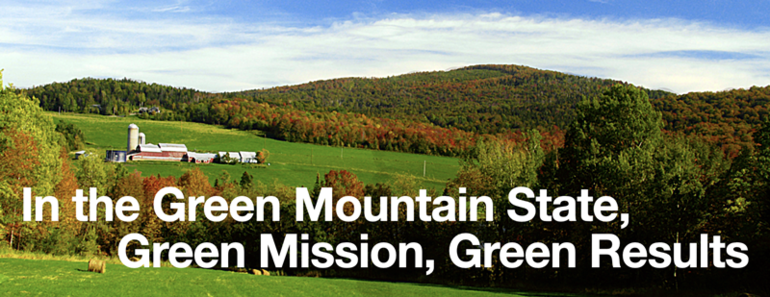
Paying attention to climate change began for the $1-billion VSECU 15 years ago, explained Miller.
“This has been a core mission of ours for over a decade and a half,” he said, adding the effort includes local donations that support environmental sustainability. “It started when our board approved a specific environmental mission statement for the credit union. This drove our ongoing commitment to environmental sustainability, both in our business operations and in our products and services. And the reason that they did that is because they felt as if environmental sustainability was really core to our overall mission, which is to improve the quality of life for our members.”
Miller said VSECU measures that life quality in three ways.
“Certainly economically, which is financial well-being of our members,” Miller explained. “But we also look at community well-being. Then, we look at environmental well-being. The risk that we see is really to our members in terms of their quality of life.”
The ROI for Members
Miller said he is aware of many low-income members who received a loan to improve the energy efficiency of their homes, such as better-insulated windows, that led to lower costs to heat their homes.
“As a result their energy bills are lower and they can then afford to heat their homes to a more livable level. That not only improves their everyday quality of life, but helps them avoid health complications from a cold home.”
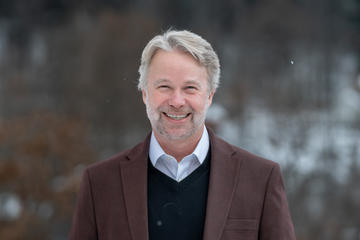
Rob Miller
Consistent with the credit union’s environmental mission statement, its offices and administrative buildings are built to a high green standard.
“Our buildings receive Leed and Energy Star certifications,” said Miller. “We have our own 500 kilowatt solar array that provides energy for most of our locations. We actually measure, and it is part of our balanced scorecard, the percentage of our total assets that we consider to be triple bottom-line benefits—meaning those assets specifically affect the people, planet and prosperity. These things, of course, include our solar loans, but they also include things like investments that we make in energy
efficient operations.”
Working With Local Biz
Outside of the credit union’s attention to climate change with its products and buildings, it focuses on how local businesses can support a smaller carbon footprint for the markets they serve.
“We believe that environmental stewardship and sustainability is also about supporting local economies,” said Miller. “So, we're encouraging people to purchase locally as opposed to buying online and incurring all the carbon that comes from shipping. Our Vermont platinum credit card has a lower rate for in-state purchases. Last year, $24 million were purchased on those credit cards through our local economy. That's one example.
“We also have a green money market account that we introduced in 2017, and this product funds our green loans. Our green loans are purchased almost entirely from local service providers. For us it's all integrated. It's all interconnected. That's how we look at it from a total sustainability standpoint.”
Recognizing that some credit unions address the risk climate change can have on their loan portfolio, such as loans made in areas in which there are high occurrences of natural disasters, Miller said VSECU’s focus is more on the risk to its communities from climate change.
Taking Care of the Planet
“We have traditionally viewed the risk as really risk to our members within our communities, the environment that we live in,” he explained. “If we're not taking care of the planet that we live in, not taking care of the place in which we live, then our businesses is at risk. That's the way we've always traditionally viewed it. We've not developed policies that carve out specific areas in which we won't do a mortgage loan, for example. I would call what we do a resiliency effort for our communities and our members.”