

By Ray Birch
MILWAUKEE—Uncertainty about the economy, rates and more driven by the Trump Administration make it the right time for credit unions to step up their financial counseling efforts, says one economist, who stresses organic growth in key areas like auto lending and mortgages in ’25 will be critical.
Bill Handel, chief economist at Raddon, a Fiserv company, said Raddon does not believe the country will see much in the way of rate cuts by the Federal Reserve this year.
“Last year people were talking about five rate cuts in 2025. Now we’re thinking maybe 25 basis points,” he said. “Now, we could be totally wrong if we have an economic downturn that caused the Fed to actually take action. But we believe inflation is also pretty darn stubborn. And, there is the fight between Chairman Powell and President Trump on this issue of rate cuts.”

iStock-Inside Creative House
The growth CUs have had in products in 2024, especially on the lending side, has been driven in many cases by refinancing in autos and to a lesser extent in homes, but a primary growth track continued to be home equity lending, Handel said.
“The challenge the industry faces is that even though the Fed has reduced the Fed Funds rate by 100 basis points, other rates have not fallen nearly as much, which means that loan rates will remain stubbornly high,” Handel explained.
“This year we are going to have to be better about generating organic growth in those product areas. That means better pricing models,” Handel said. This doesn’t mean simply reducing loan rates, but rather pricing on a relationship basis so that we drive member balances up and improve member profitability.”
Right Choices
It also means going back to the notion of helping the consumer to feel confident that they're making the right decisions, stressed Handel.
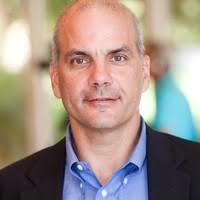
Bill Handel
“In our most recent national survey of consumers, almost half felt we were in recession now, and this was very much skewed towards the younger individual. Because we're at a point of such significant uncertainty -- and the average human being hates uncertainty -- they don't know when is the right time to make decisions,” he said. “That's a great role for credit unions to step into in a bigger way this year and really help their members. This is coaching and counseling. This may also have the added benefit of helping to limit delinquency and default behavior on the part of members.”
How will Trump’s tariffs impact prices in the U.S, and therefore credit union business? Handel believes the impact may not be that great, despite the current uproar on this topic.
“It appears the tariffs are being used more as a negotiating tactic, as opposed to revenue raising tool,” explained Handel. “Tariffs were the primary way in which this country was funded at its inception and remained that way until the implementation of income taxes. But that's no longer true. The budgetary needs of our government are way too large. Tariffs could never generate what is needed. When you watch the behavior of this administration, what they're really trying to do is to use tariffs to change behavior of other countries.
“The United States has had an imbalanced trade policy with the international community—ever since the end of World War II, as a means to help the world rebuild following World War II,” Hande continued. “This administration’s stated objective is more balance in trade policy now. Tariffs are a potential danger for the world economy to the extent that it reduces international trade and raises the price of goods. But if tariffs against U.S. goods are reduced as a result of these actions, it will be beneficial for the U.S. and the world in the longer run.”
`