

By Ray Birch
PETERBOROUGH, N.H.—For more than a decade, debit rewards have lived in the shadow of their more glamorous counterpart—credit card loyalty programs. But the landscape is shifting, and payments experts say credit unions, especially those under the $10-billion Durbin threshold, are now positioned to capture an opportunity hiding in plain sight.
Airlines and hospitality brands are leaning into debit again. Fintechs are pushing out BaaS-fueled debit reward products. Younger consumers are showing preference for debit over credit. And institutions with higher interchange flexibility—such as credit unions—may be leaving meaningful value on the table by not acting.
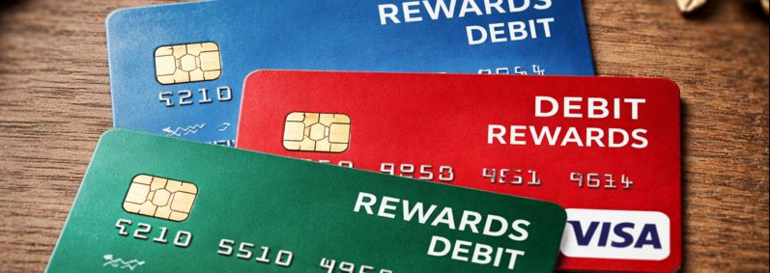
“Credit unions would be well served to think about integrating debit into a more holistic reward or relationship program—not just credit cards,” said Tim Kolk, principal at TRK Advisors. “It’s hard to find competitive advantages when you’re a smaller institution, and to ignore where it exists is probably a missed opportunity.”
The return of debit rewards is part economics, part technology, and part consumer behavior.
Analysts point out that over the last several years, several airlines and hotel groups have quietly rebuilt debit-rewards strategies—leveraging issuers under $10 billion in assets to take advantage of higher debit interchange rates. New BaaS-enabled program managers have also entered the market, making it technologically easier to design and fund innovative reward structures.
Fintechs, too, have proven there is demand. Neobanks such as Chime, Current, and Step have built significant engagement from loyalty-style features layered on debit, including cash-back, points, and spending incentives. A 2025 analysis by J.D. Power found that debit now represents the primary payment method for younger consumers for both everyday purchases and recurring bills—an important signal for credit unions looking to strengthen early-life relationships.
“Payments cards are still how members transact—whether it’s debit or credit—and most members greatly favor one over the other,” Kolk explained. “If a credit union wants to maximize its debit program success, especially for those not in the credit card program, reward concepts like this can help lock down relationships.”
Why Some Credit Unions Have Been Slow To Act
Despite the structural advantage on interchange, credit unions have historically been reluctant to enter the debit rewards space. Kolk said the hesitation often comes down to margin pressure and optics.
“I suspect many credit unions feel they need every bit of debit interchange they get just to pay the bills,” he said. “When someone proposes giving something away for debit spend you don’t already give away, it looks like an expense. And in an environment where the average credit union ROA has fallen from a little over 1% to around 60 basis points, any new expense becomes much harder to justify.”
It’s also a philosophical hurdle, Kolk asserted.
“It’s hard to demonstrate relationship value,” he explained. “Integrated reward programs require a leap of faith, and that’s not always easy in institutions under profitability pressure.”
Still, Kolk cautions that focusing only on cost control can put credit unions at risk of missing longer-term strategic gains.
“If all you do is watch every nickel and not look for upside, that’s a grinding way to exist,” he said.
The New Drivers: Fintech, BaaS, And Big-Brand Signaling
Kolk emphasized that recent high-profile debit partnerships—particularly those involving major airlines—shouldn’t be misread as a model credit unions could replicate. Those brands operate in a category of their own.

Tim Kolk
But he stressed that their return to debit is meaningful.
“The airlines are a unique industry—some people have said they’re loyalty companies that fly planes. United, for example, is trying to differentiate itself, and debit rewards are part of that strategy,” Kolk said.
What matters for credit unions, according to Kolk, is the broader signal these moves send: the economics and infrastructure now exist for debit rewards to be viable again at scale.
“Over the last few years, fintech growth and BaaS models have shown that technology is in place and there are partners willing to support these programs. It’s the confluence of fintech innovation and airline strategies that is helping bring debit back into focus.”
A Relationship Tool, Not Just A Perk
Kolk stressed that debit rewards shouldn’t be viewed as a standalone points play. Instead, credit unions should see them as a strategic tool to deepen engagement with members who may never become high-value credit card users.
Many members simply prefer debit. And in today’s environment—where big banks are aggressively building ecosystems, not just accounts—credit unions must meet members where their payment habits are.
“Most members have already decided whether they prefer debit or credit. There isn’t a ton of mixed usage,” Kolk said. “So, if you want to maximize either program, you need a reward structure that meets that preference.”
What Credit Unions Should Do Now
Kolk’s advice is simple—stop waiting.
“Each credit union has to decide where it puts its energy, but this moment is evidence that debit programs have real value,” he said. “Debit rewards can help lock in relationships at a time when everyone is trying to gather relationships—not just accounts.”
He added that the industry often talks about competing with larger institutions but overlooks one of the clearest competitive advantages available.
“When you’re under the $10-billion asset threshold, debit interchange is an advantage. Ignoring that advantage is a missed opportunity,” Kolk said.