

By Ray Birch
MADISON, Wis.—To finally put an end to racial injustice and racism, it will take a lot of “uncomfortable conversations,” says John Pembroke.

The president of CUES spoke with CUToday.info about the racial unrest in the U.S. that has occurred following the killing of George Floyd at the hands of Minneapolis Police, which has set off protests and discussion of race-related issues across the United States and the world. Those flames have been fanned by the fatal shooting of Rayshard Brooks by an Atlanta police officer.
“The overwhelming positive response that we have seen around the country and the world has left me hopeful that we will see significant change,” said Pembroke. “The egregious, senseless, and horrific killing of George Floyd has led many people to re-examine their unconscious biases, and discriminatory beliefs, so hopefully these issues will get the sustained attention they deserve.”
Must Happen This Time
Unlike in the past, where there have been many prior calls for changes and reforms following the deaths of African American men by police and nothing really happened, Pembroke believes this time around that kind of inaction cannot be allowed.

“Change needs to happen this time,” Pembroke said. “It is long overdue. African Americans need it, the country deserves it and we will all be better for it.”
To get to that point people will need to examine their own internal biases and stereotypes and remove them from their thinking, explained Pembroke.
“It will not be easy, but it is necessary,” he said. “At the organizational level, businesses need to do more than issue hollow statements. You can say, ‘Black Lives Matter,’ but what about black employees? Black executives? Black board members? To be clear, there will be uncomfortable conversations, but they are ones that we must have.”
For those conversations to happen, there must first be a recognition and acceptance of white privilege among Americans, according to Pembroke.
“This begins the conversation and what needs to be done to address it,” said Pembroke. “It will take all of us to overcome this challenge, because this is not just a black issue, it is a moral issue.”
The Long Haul
Another point to consider is change will not be easy, nor will it be swift, said Pembroke.
“I am in it for the long haul. CUES is in it for the long haul. And my hope is that other leaders in the industry, in the country and around the world are as well,” he said. “I am filled with resolve to make a difference, to move the conversation forward into action.”
As Pembroke noted, change will require sustained attention to prevent efforts to eradicate racial injustice and racism from stalling.
“We keep sustained attention on the issue through actions,” said Pembroke. “That is why CUES is committing to fight racial injustice. We will provide actionable learning experiences on diversity, equity and inclusion (DEI) that puts industry leaders in a position to make a difference. We will continue to invest in DEI resources to help our members and the industry overcome these challenges. We have some resources and content today, but look for much more in the future.”
Two Courses Offered
Pembroke said CUES has addressed racism in past programs.
“We offer two Elite Access virtual courses—Overcoming Unconscious Bias and Creating and Sustaining an Inclusive Work Environment, both of which are n
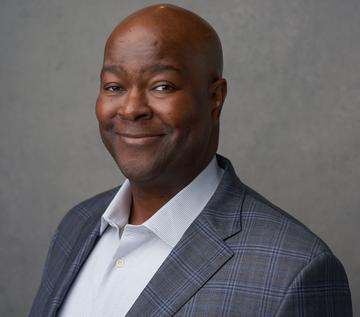
John Pembroke
ow available to anyone in the industry at no charge,” explained Pembroke. “And for the past couple of years, we have steadily increased our leadership resources and content, articles, videos, podcasts, and more to help educate the industry. Our Advancing Women e-newsletter, and Diversity Insight column are very popular resources that directly address diversity and the fight against racism.”
But more than that, CUES is seeking to lead by example, according to Pembroke.
“CUES is a very diverse and inclusive organization including my leadership team,” he said. “This allows us to infuse our programs and events with diverse and inclusive thinking. I am proud say that our staff, and the speaker rosters at our events, are among the most diverse in the industry.”
‘Disturbing’
Pembroke acknowledged he finds the current racial unrest “disturbing and tragic.”
“As black man it is also deeply personal, as George Floyd could have easily been me or someone I know and love,” he said. “I’m from the south side of Chicago, so suffice it to say I’ve experienced and seen my share of police bias. Unfortunately, as so many black men in America are aware, you do what is needed to survive the moment and move on with your life.”