

By Ray Birch
ARVADA, Colo.—With many credit unions chasing funds, one CU’s recently completed CD promotion exceeded its new deposits goal by 200%–thanks to a unique business relationship and steps taken to protect against deposit cannibalization.
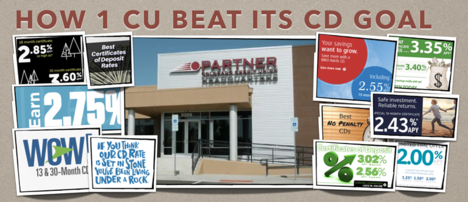
Partner Colorado Credit Union has been a pioneer in marijuana banking for many years, with a well-known CUSO, Safe Harbor Private Banking, that provides banking services to the legalized cannabis industry. In its most recent promotion, which ran during the first quarter of 2019, much of the cash PCCU has seen from the cannabis businesses it serves was attracted by the top-of-market deposit pricing, with the account paying 3% APY for 24 months.
Doug Fagan, president and CFO of Partner Colorado, explained that CUs in Colorado are not permitted by regulators to loan out money from marijuana businesses, and as a result the cash typically is parked in very low-paying accounts.
Leveraging the Spread
“Last year we had significant deposit growth, somewhere near 16% due to the cannabis business,” said Fagan. “That's a large inflow, but the cannabis money we can’t loan out or do anything with, according to the state of Colorado. But it’s really not costing us anything, because we don’t pay a lot of dividends on that money.”
Partner Colorado deposits the funds in a Federal Reserve account paying 2.4%, noted Fagan, saying the spread between what Partner Colorado earns on the funds and what it pays gives it some margin to play with when it comes to the consumer deposits.
“We decided this year we want to focus more on attracting money on the consumer side,” said Fagan. “Having that cannabis money gives us a little more room to work on rate on the consumer side, it helps when the spread on the consumer side gets tight.”
The New Market Reality
Fagan stressed the challenges faced by Partner Colorado and all credit unions when it comes to attracting deposits, as rising rates have led more consumers to go online to easily comparison shop.
“It's absolutely harder now with the Internet,” reminded Fagan. “You don’t get deposits the old way anymore—looking at your neighbor across the street and seeing what their rates are and beating them. It’s a pretty global rate environment, as we all know, and it is difficult to get deposits.”
During the promotion Partner Colorado repriced its certificates rates 35-40 BPs above its previous levels for the three terms in the offer—12, 18 and 24 months.
“That put us at the top of the market,” he explained. “We wanted to hit that magical 3% rate, not 2.99%. We felt getting 3% in front of people was important.”
Protecting Against Cannibalization
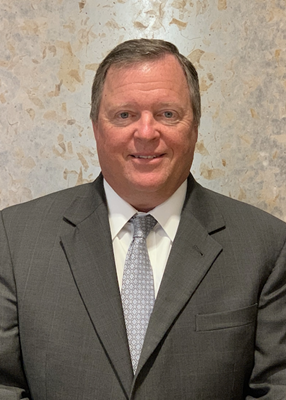
Doug Fagan
Fagan said the credit union budgeted significantly more for marketing CDs during the first quarter and the market responded with more than $20 million in deposits in return. The key to the campaign, he said, was more than 60% was new money.
“Cannibalization of our existing, lower-paying deposits was certainly a big concern,” said Fagan. “A credit union is always concerned for the pricing structure between assets and liabilities. Almost all credit unions are more liability sensitive, which means when rates change their liabilities change faster. You might be earning 4% on a loan and paying 1% on deposits when rates change—and while that loan rate doesn't change right away that deposit rate does.”
To protect against excessive cannibalization of deposits, Partner Colorado put guidelines in place.
“We had a caveat in this promotion,” Fagan explained. “For any new CD that was opened with existing dollars, the member had to go up at least one term in their new CD. Say a member had a 12-month CD that matured and they wanted to roll it into a new CD at one of the promotional rates, they had to go up to at least 18 months. If they were moving funds from a money market account, they had to go at least to a 12-month CD. It was a little twist, but it was very successful in getting the credit union some longer-term money and it did not upset members at all.”
Rates Lowered Again
Partner Colorado has now returned to its standard pricing for the three promotional terms, each of which saw sizeable deposit increases.
“It’s just not easy to get consumers to give you deposits today unless you really raise your rates,” said Fagan. “People are sophisticated and they know how to shop. Our rate was very attractive, but you can’t offer that all the time because it does get expensive. So we're going to focus more on other things now, such as growing mortgage lending.”