

By Ray Birch
ALEXANDRIA, Va.—Many C-suite executives in credit unions are being challenged to do something they've never really had to do before—manage a remote workforce.

One CEO believes it’s an adjustment many credit unions will see more of even after the coronavirus pandemic has passed.
And there is some good news during these difficult times, with credit unions telling CUToday.info the new arrangements are working—maybe better than expected.
In part two of a CUToday.info series on managing through the COVID-19 pandemic, US Senate FCU here is managing its daily business and serving members with the majority of its 115-member workforce at home.
What was most difficult at first, said CEO Timothy L. Anderson, was getting used to walking through the credit union’s main office and seeing virtually no one there.
“It’s a ghost town,” Anderson told CUToday.info. “Everybody is home. We've got all of our operations working remotely.”
Some Limited Experience
Before the pandemic hit, the $1-billion USSFU had some limited experience with a remote workforce, which the CEO said was helpful.
“We had a couple of people work from home, for example, the head of our ACH department,” said Anderson. “We have people that sometimes work from home, but to do something on the scale of shutting down the entire credit union… I'm having to run every single operation from employees’ homes, that's just incredible.”
Anderson said leading up to the work shift the credit union assembled a crisis management team and a pandemic team.
“I am really proud of how our teams were able to pull this off,” said Anderson. “Our call center reps are set up remotely, so they're taking calls from their homes. The loan operation folks are receiving applications. ACH, support services and marketing are doing their jobs. You name it, HR and payroll are doing fine, every single department. We have not missed a beat. I never thought I’d see something like this.”
Passing the Stress Test
Which is why Anderson is so pleased with how the credit union is performing in the early days of the pandemic.
“We did do some stress testing early on, as we were leading up to closing down the offices,” explained Anderson. “I have to admit we were a little nervous at first, especially some of the staff who were unsure if they could do it. The only thing is you have to always make sure you have the bandwidth you need, the capacity. We had some issues with that early, but we are fine now. I told our board this has been amazing how we’ve pulled this off, especially in such a short amount of time. We have never done anything ever on this scale.”
Anderson said US Senate FCU transitioned to having its staff work at home by making the change in waves, about 25% at a time.
“When I finally sent everyone home it was just me and about five people left in the building,” said Anderson. “That was a really different feeling. I never thought I’d see that at the credit union. We will always have a few IT staff here, not only to address technical issues but to answer employee questions.”
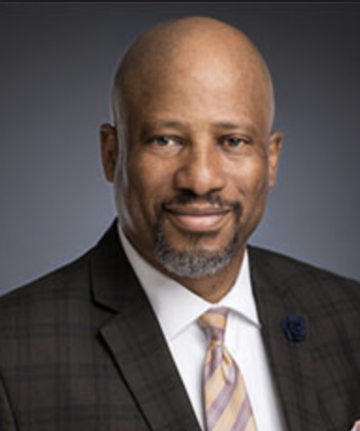
Timothy Anderson
The Top Priority
Anderson emphasized his top priority now is being able to take care of his employees, keep them safe, and at the same time deliver the service US Senate FCU members expect.
“What has been so rewarding,” said Anderson, “is how we have all pulled together during these very trying times. Everyone has a shared goal and is working together. I’d say during these times, as people are isolated in their homes, I have the feeling that we’ve never been closer. This terrible event has brought us all closer.”
Outside of the credit union’s normal operational systems, the CU has employed Skype for meetings, most especially for senior staff conversations.
A Lasting Change?
The CEO said the experience will change the credit union operationally once the pandemic is over.
“It was not something we had really bought into a great deal,” said Anderson. “But has this experience now changed how we view remote work? Certainly. Obviously we had a few people working from home at times, on a needs basis. But remote work was not a philosophy we endorsed. After this pandemic passes, this credit union, and I believe many others, will view remote work differently. Overall, as a society, we are becoming more remote in how we work. This may be the wave of the future.”