

By Ray Birch
WASHINGTON—The Community Development Financial Institutions (CDFI) Fund has effectively gone dark after the Treasury Department’s Friday evening reduction in force (RIF) eliminated its entire staff, halting all operations. No grants are being issued, applications processed, or technical assistance provided as the Fund’s work comes to a complete standstill.
Credit union trade groups say they’re now working with Treasury officials and Congress to ensure the Fund can be quickly re-staffed once the government shutdown ends. Despite the pause, they note, the Fund still holds money from the 2025 appropriations and additional resources earmarked for 2026, and they’re urging lawmakers to push the Office of Management and Budget to allow rehiring to begin as soon as federal funding resumes.

“We’re working with both Treasury and Congress to ensure that once the shutdown ends, the Fund can begin rehiring and restoring its staff so that it can continue fulfilling its mission,” said Greg Mesack, America’s Credit Unions SVP of advocacy, during a call with the media Monday. “Importantly, the CDFI Fund still has money available from the fiscal year 2025 appropriations, and additional funds were included in the fiscal year 2026 appropriations bills. It’s a congressionally created fund with resources already allocated, and it plays a unique and vital role in helping community financial institutions serve their communities.”

Greg Mesack
ACU President/CEO Jim Nussle sent letters Monday to Treasury Secretary Scott Bessent and Senate Banking leadership, highlighting the positive impact and importance of preserving the future of the fund.
“America's Credit Unions, the league system, and Inclusiv are working together to ensure Congressional and Administration officials truly understand the realities of how the CDFI Fund supports their constituents,” ACU said.
DCUC Responds
As CUToday.info reported, Monday the Defense Credit Union Council sent a letter to Bessent, expressing the trade group’s “deep concern” for the CDFI staff cuts.
“While Congress considers both CDFI funding and extending the Central Liquidity Facility (CLF) in the National Defense Authorization Act (NDAA), we respectfully asked Secretary Bessent to review and reverse the decision to eliminate the CDFI Fund team and promptly reinstate CDFI staff so that the Fund can resume operations without delay…Having the Secretary's support is crucial…Since these decisions take time, DCUC didn't hesitate to send a letter to Secretary Bessent as soon as possible along with sending a sample letter for credit unions to engage with their Congressional delegations. Having a sense of urgency is as important as resolving this issue.”
Mesack said ACU will continue coordinating with Congress, the Treasury Department, and the Administration to get the Fund re-staffed as soon as the shutdown concludes.
“At this point, there isn’t much activity in Congress—both chambers are largely out this week. The House won’t return until the Senate passes some form of funding bill,” Mesack said.
But, will the Office of Management and Budget and its director, Russell Vought, allow the CDFI Fund to be restaffed once the shutdown is over?
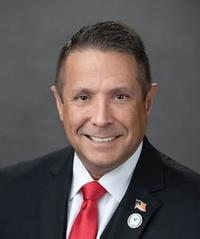
Anthony Hernandez
“I think that’s going to take some effort,” Mesack said.
Mesack said ACU has spoken directly with Bessent and others within the Treasury Department.
“And we believe there’s genuine support inside Treasury for bringing the CDFI Fund back,” he said. “The challenge lies in the natural tension between Treasury and the Office of Management and Budget on this issue. That’s where Congress can help—by stepping in to tip the balance in favor of those who recognize the value of the CDFI Fund.”
Mesack added that he does believe there’s enough bipartisan backing for the CDFI Fund in both chambers of Congress to make a difference.
“With that level of support, we can hopefully prevent this from being sidelined or treated the way some other programs have been,” he said.
Widespread Impact
Hernandez emphasized that the government shutdown affects more than just federal employees, citing second- and third-order effects to consider, particularly in small, rural, and remote communities that rely on local vendors to supply critical items and services.
“This is why CDFIs matter. In fiscal year 2024 alone, CDFI awardees financed over 109,000 small businesses, supported 45,000 affordable housing units, and delivered more than $24 billion in loans and investments to underserved areas,” Hernandez said. “Every federal dollar invested leverages about $8 in private capital, making the program both effective and efficient.”
Hernandez added that small businesses and farming communities rely on CDFIs for short-term loans to meet payroll, replenish inventory, or repair equipment.
“Who else can they turn to if their local financial institution is low on funds and/or there are no other banking choices that can deliver in a pinch?” he said. “Especially when federal workers living in these same communities are not receiving their paychecks and also need short-term loans to keep food on the table, a roof over their heads, and utilities to power their homes and keep warm. When money is tight in federal worker households, goods and services from local vendors take a back seat. This, in turn, affects the ability of these small businesses to meet payroll requirements themselves. Things can quickly spiral and leave these communities in a worse economic condition long after the dust settles.”
Hernandez stressed that one of the worst times to eliminate CDFI staff and suspend operations is during an extended government shutdown.
“This is also why DCUC championed extension of the CLF in the NDAA,” he said.
Mesack noted that the CDFI Fund shutdown poses challenges beyond just halted funding.
“The people credit unions usually call for help—whether it’s for technical assistance, compliance questions, or program guidance—aren’t there to answer the phone, literally,” he reminded.