

CHICAGO–There’s nothing unusual about the need to go along with the group, but it could hurt you at work at the credit union. As Wanda Thibodeaux noted, after all, evolutionists believe it offers a survival advantage, creating a uniform herd that's less susceptible to dangers.
But when it comes to the office, your career and real leadership, “conforming is nobody's friend,” according to Thibodeaux, copywriter at TakingDictation.com. “As you might expect, it reduces your ability to be individually creative, and it lowers the chance that others will notice you. But it has additional negative effects that can follow you years or even decades down the road.”
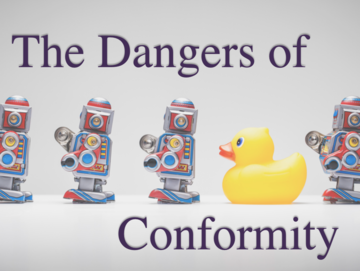
Thibodeaux offered three “harsh consequences” of conforming as well as strategies for overcoming them:
You Stop Trusting Your Own Instincts
“When conformity is your norm, you look to the group to confirm whether you're right or wrong. Rather than introspectively analyzing experiences and other information for yourself, you let the group form the final conclusion,” wrote Thibodeaux. “Subsequently, you might stunt your ability to make decisions and move forward with real independence when it's necessary. And that can mean others don't see you as someone they can go to when trouble hits.”
The Risk of Accepting Misinformation Skyrockets
Conformists often follow what's most popular and look to the examples around them instead of finding their own sources and processes, said Thibodeaux . “But just because something is popular or widely accepted doesn't mean it is based in fact or true. If you don't question what's around you, it's easy to get duped and later look the fool.”
You're Forced to Live an Imposter's Life
“Conformists do their best to go along with others when it comes to how they live,” said Thibodeaux . “But this puts everyone else in control of who you are or are going to be. You might find yourself struggling between what you think others want and what you really desire for yourself. Stuffing down your desires can leave you feeling like a fake who never will be truly free, and you can live in constant fear that others will discover those desires and judge you negatively for them.”
Leaving Conformity Behind
The easiest way to do tackle conformity is similar to tackling big goals--start small with little changes, wrote Thibodeaux.
“For example, let's say your office has a lenient dress code and you'd really like to branch out from the dark hues everyone still seems to wear. Instead of black, try navy. Then start wearing some dark greens, and so on.
“Or maybe you want to start speaking up more in meetings. You could take a slightly more passive route of outlining your thoughts in a courteous email first to get used to sharing. Then you could try talking to others about your ideas or opinions one-on-one, then in small groups, and finally brave the meeting.”
The main psychological principle behind this little-by-little strategy is that, because what you're doing isn't too far from the accepted norm, you won't be as frightened to carry the new behavior out consistently over time, said Thibodeaux.
“And consider, too, that the brain likes to categorize. It's always looking for what does or doesn't fit, because grouping information allows it to work more efficiently,” she wrote. “Because of this tendency, when others see just a small behavior deviation, they're more likely to categorize it as being close enough to what they're used to and tolerate it. If you want a technological analogy, it's a lot like gradually teaching an AI system to become more and more abstract in terms of what pictures it accepts as