

PALO ALTO, Calif.–A Stanford researcher is offering a forecast for what the future holds for work-from-home arrangements.
Nicholas Bloom, the William Eberle professor of economics at Stanford University, said he has conducted hundreds of conversations with company managers and conducted two national surveys and has “unearthed clear trends about the future of working from home.”
“Working from home is here to stay, with hybrid arrangements fast becoming the dominant strain,” wrote Bloom on Barrons. “By 2022, the typical firm will have everyone in the office three days a week, typically Tuesday to Thursday, and working from home Monday and Friday.
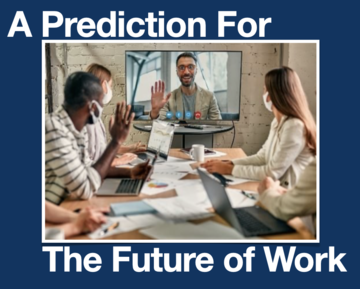
Bloom, who said he has conducted 20 years’ of research, reported firms are now rapidly moving to a three-tier workforce.
“About 50% of all employees will work fully in-person. These are folks in frontline jobs in retail, manufacturing, healthcare and services,” wrote Bloom. “Their positions in many cases are lower-paid and don’t require college degrees. These employees have entirely missed the working-from-home affair, and are often angry and upset about this. After spending a pandemic working in unpleasant conditions and risking their health, they are missing the postpandemic work-from-home bonus. Managers around the country have told me they have been raising salaries for frontline employees to compensate, and are trying to increase the flexibility of their working hours. Their employees may, for example, shift to longer days, but in four-day weeks.”
A second group of employees, or about 40% in total, according to Bloom, are going to work hybrid.
“Typically this is three days in the office and two days at home each week,” he stated. “Hybrid workers are usually university-educated professionals and executives, who need face-to-face contact to be productive and manage their teams, but value a few days each week at home for quiet time and saved commute time.”
The final group, or about 10% of workers, will remain fully remote, forecast Bloom.
“Mostly these are folks in skilled service roles like IT support, finance, payroll, or editing,” stated Bloom, “They have been working entirely remotely throughout the pandemic often at higher levels of efficiency. Since their roles do not require managing large teams or ongoing creativity they can operate entirely remotely.”
Major Implications
According to Bloom, the division in the workforce will have major implications for real-estate prices and the shape of cities, but while residents are leaving city centers, offices will remain.
“Large firms want hybrid to involve a few days of intensely social, connected, and interactive work each week. The typical three-two plan involves Mondays and Fridays at home for quieter activities like reading and writing, and office time Tuesday, Wednesday, and Thursday for flowing meetings and events,” offered Bloom. “And if you want your employees to come together for three vibrant social days each week, you need your offices in city centers that are easy to access and attractive with entertainment and retail options. Firms are making these more appealing by scrapping isolating Mad Men-style individual offices in favor of meeting rooms, open-plan lounge seating, and soundproofed zoom-cubicles.”