

CHICAGO–How does nearly every executive react when rated poorly on “fairness” as part of a 360 Leadership Development Assessment?
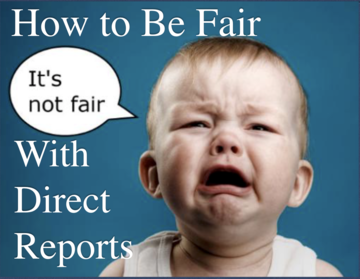
With disagreement or astonishment, according to executive leadership expert Peter Barron Stark.
Writing on PeterStark.com, Stark said the reaction stems from a perception by leaders that their core values have been attacked.
“While the definition of fairness might vary from person to person, here are some behaviors of unfair leaders, as shared by employees we’ve interviewed throughout the years,” according to Stark.
- Overlooking bad behaviors in some employees while holding others accountable
- Withholding honest feedback from team members who aren’t receptive to feedback
- Being personal friends with some members of the team
- Inviting only certain employees to happy hours or other gatherings outside of work
- Sharing information with some employees and not others
- Giving only some team members desirable projects and not others
- Spending quality time with some employees, while making it a challenge for other employees on the team to meet with the leader
“Whether you’re an organization leader or a parent, treating everyone consistently and fairly is a challenge,” said Stark. “If everyone was equally as agreeable, treating everyone fairly would be a lot easier.”
Stark offered these tips as way to increase one’s reputation as a fair leader:
- Be friendly, be caring…but don’t be friends with your direct reports. “This is a point that many of our clients like to debate. They strongly feel that leaders can be friends with direct reports and that the other employees should just accept that fact. I’d beg to differ. You should never be friends with your direct reports because, when you are, it becomes even more difficult to make the right business decisions. With that said, you should be friendly and caring to each one of your direct reports and hopefully, they will return the favor.”
- Recognize that equal and fair are two different issues. “Some of your direct reports may take more of your time to coach and mentor,” Stark wrote. “That means that your time is not divided up equally among all your team members. Regardless of time spent, you’re still showing fairness because you remain equally committed to each team member’s success.”
- Be consistent. “If you are going to go to lunch with one employee, invite other employees along or rotate so you take every team member out to lunch,” Stark advised.
- Hold all team members accountable. “Having different standards for different team members will make others perceive you as unfair,” he said. “This becomes especially apparent when some team members are allowed benefits and rewards that others with similar achievements are not. And it can really backfire on you when poor performers are allowed to slide.”
- Welcome difficult or challenging feedback. “If you don’t welcome feedback or only hang out with the people who tell you what you want to hear (aka brown-nosers), you risk being seen as unfair.”
- Give honest credit and recognition “Difficult team members make it easy to forgo giving positive feedback. When someone does great work, makes a good suggestion, or makes a positive contribution to the team’s success, a fair leader provides the positive feedback and finds a reason to celebrate.”