

ORLANDO, Fla.–Generations are typically defined by the years in which people are born, but they really aren’t about numbers at all—and understanding that can make significant differences in effectively engaging with both employees and members, according to one expert. And that includes mistakes to avoid.
For the first time in U.S. history, there are five generations now in the workplace, noted Dr. Melissa Furman, an instructor at the James M. Hull College of Business at Augusta University in Georgia and who also runs the consultancy Career Potential. Furman has also done work with some credit unions.

But just as important as it is to understand those generations of workers, it’s also important to understand the generational mindsets of members, she told the League of Southeastern Credit Unions’ annual meeting and convention.
First, by the numbers, Furman defined the different generations this way:
- Veterans, 76+
- Baby Boomers, 57-75
- Generation X, 41-56
- Generation Y, 25-40
- Generation Z, 24 and under
But those age cohorts are generalizations, Furman stressed, explaining generations are really defined by much more than just being groups broken out by 15-year time periods. Instead, what shapes and forms a cohort are events and experiences that happened during that person’s childhood and early adolescence.
Below are some of the insights Furman shared on each of those cohorts, along with recommendations on engaging with each, including avoiding some common mistakes.
Veterans
- Defining Moments: They lived through World War II and the Great Depression, and have seen rationing
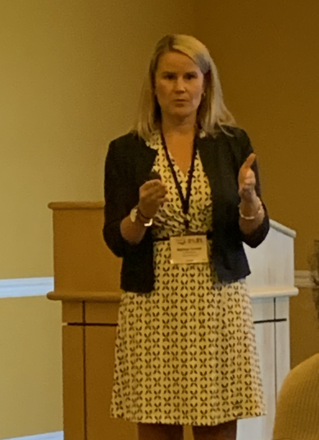
Dr. Melissa Furman speaking to League of SECUs' meeting.
- Aspiration: Home ownership
- Signature Product: The automobile
- Communication Preference: Face to face
- Decision-Making Method: Face to face, respects hierarchy and authority
- Percentage of the Workforce: 3%
“When they leave, organizations are going to have a real problem with this knowledge gap. Their knowledge isn’t in a database,” said Furman, who added she urges organizations to find ways to capture that knowledge, such as videos.
Baby Boomers
- Defining Moments: Cold war, Vietnam War, moon landing, Woodstock, rock-and-roll, JFK, MLK. “This is a resilient generation, but also the first generation to protest.”
- Aspiration: Job security
- Signature Product: Television
- Communication Preference: Face-to-face, telephone, email (invented by Boomers, “Because you thought it was going to be more efficient”); and text
- Decision-Making Method: Face-to-face (meeting); consensus building, respects hierarchy and authority. “Boomers love meetings, and face-to-face meetings,” said Furman. “They want all the voices to be heard. Their decision-making tends to be very slow because they want everybody’s voices to be heard. It’s because of their upbringing.”
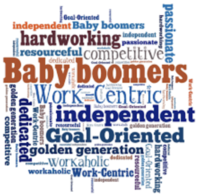
- Percentage of the Workforce: 33%. “They want to work and like to work, and some of them have to. People have been waiting for the tsunami of retirements, but they are still hanging in there. But when this wave hits, there is going to be a massive leadership gap. And the super-ambitious Millennials are going to be thrust into these leadership positions. Are they ready? They think they are. What are you doing to train these leaders? Do you have Millennials on your boards?”
Generation X
- Defining Moments. End of Cold War, first Gulf War/crisis; MTV, Ronald Reagan, Bill Clinton, high divorce rates, latch-key kids. “We are very independent, very resilient. Not great team players,” said Furman of her generation.

- Aspiration: Career success. “We are the hardest generation to work with and work for. You need to coach them as hard as they can work, not as hard as you can work.”
- Signature Product: Personal computer
- Communication Preference: Anything efficient. “Gen X is on the way to the meeting answering email and mumbling to themselves that they don’t know why they are in the meeting, as they already made the decision 15 minutes ago. But we’re also the solution; that’s the good news.”
- Decision-Making Method: Independent
- Percentage of workforce: 28%.
Something to Think About
Furman noted 9/11 made Gen X a smaller generation, in that it was a historical occurrence. Without 9/11, the generation would have gone on for another 3-5 years, Furman said.
Another point that is also important to credit unions, according to Furman: Many economists were really worried that members of Gen X were not becoming entrepreneurs.
“But now we are seeing a mass exodus from 401(k) jobs to entrepreneurial jobs,” Furman told the meeting. “So, we really need to be thinking about this leadership gap. And Gen X is really experiencing severe burnout right now, and that was before the pandemic.”
Generation Y/Millennials
- Defining Moments: 9/11, Columbine, global warning, Y2K, financial crisis, helicopter parents

- Aspiration: Freedom and flexibility
- Signature product: Tablet and smartphone
- Communication Preference: Text or social media. “If you are mailing them something, it’s not happening. So, what does your text campaign look like? Forget investing in your website. You need to invest in mobile.”
- Decision-Making Method: Face-to-face with strong input. “They want a lot of input. When they grew up they had a lot of decision-making authority. They had choices. But don’t give them too many choices, like too many checking accounts.”
- Percentage of Workforce: 36% and growing, because many have entered the workforce late.
Turbulent Times
“This generation also lived through very turbulent times. A terrorist attack on domestic soil. Global warming. They were told the world was going to implode on New Year’s Eve. Life was scary,” Furman said. “Their parents became helicopter parents hovering over their kids. Because they were raised in this environment, they were not buying homes, weren’t aspiring for job security, have not been aspiring for career success yet—although the older ones are. They are aspiring for freedom and flexibility. They are living for today, not tomorrow, because they don’t know what tomorrow is going to look like.”
Furman, who shared how she sees the changes in the students she teachers, called the group the “peace out generation.”
“If they break up with you, they’re out. They don’t stay. And they will tell everyone on social media if they are not happy with you,” she said. “They are major interrupters. They question everything: business hours, locations, five-day workweeks. You never say to this generation, ‘That’s the way we have always done it,’ or ‘Because I said so.’”
Furman also related how she was doing work with one credit union in the Augusta, Ga., market that planned to roll out a product package with “Millennials” in the name. Her first piece of advice: “Millennials hate to be called Millennials.”
As for the whole concept of Millennials, who are often perceived as so-called slackers, Furman said, “The Millennial concept does not empirically exist. It is popular press phenomenon. You’re witnessing professional maturity differences, not generational characteristics. It has nothing to do with the year they were born.”
Generation Z
Furman said Gen Z differs dramatically from Millennials, as they are the offspring of Gen X. “They come on time. They have soft skills.”
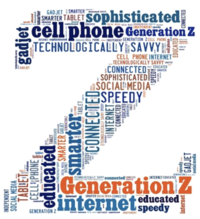
She referred to Gen Z as the “meeh generation,” as they aren’t really fazed by much.
- Defining Moments: the Great Recession, terrorism, same sex marriage, social media, climate change, Internet, Black president, female VP, and first generation in which Caucasians are going to be the minority.
- Aspiration: Security and stability, diversity, equity and inclusion. “And if you don’t have it, they will stand up and wonder why you aren’t doing it. They are about corporate responsibility.”
- Signature Product: Wearable devices
- Communication Preference: Virtual or face-to-face. They aren’t texting. Everything is video. This generation will be the first to see keyboards go away. Their Gen X parents are such workaholics they have been denied personal attention and prefer face-to-face, adult attention.”
- Decision-Making Method: Not known yet, as parents aren’t letting them make decision
- Percentage of Workforce: Not Yet Known
Where to Focus
While there is considerable difference paid to generational differences, and those deserve respect, Furman noted people “have more things in common than differences. Focus on the similarities.”
Managing Generations
When it comes to managing workers from different generations, Furman also offered this advice to the credit unions from Florida, Alabama and Georgia who were at the meeting:
- Generation X has been very successful doing things their way. “Listen. Present your case. Be respectful.”
- Younger generations have a different perspective regarding professionalism. Be a mirror/chameleon. “Millennials are pretty casual. Adjust to who your talking to.”
- Boomers may be feeling obsolete, but they’re not going anywhere. “Value their experience. They are excellent mentors.”
- “All professionals really want to do a good job and be rewarded and appreciated. But it’s not one size fits all. Find out how your members and your employees want to be appreciated. They want to be appreciated more than rewarded.”
- “Younger generations want to make a difference and have an impact. You are different from banks. You are community owned. Show them the impact you have. Bring purpose into focus—use it as a recruiting tool.”
- Young adults expect change innovation. “If they don’t see innovation in your organization, they are out. We hear people don’t leave bad organizations, they leave bad managers. Another layer to that is they leave organizations that aren’t innovating.”
- “Millennials and Gen Z have donated more money than any other generation. They don’t even have that much money to give, but they are doing it through their phones.”
What Leaders Can Do Differently
What can we do differently? “It’s simple,” according to Furman, who advised:
- You have to care and communicate that you care
- You have to learn about yourself and others
- Be approachable and available
- Teach and be taught
- Embrace diversity. “Everybody has a different lens. And their lens is typically shaped by things that happened to them in childhood and early adolescence. You don’t have to like their lens and you don’t have to agree. But you have to recognize it and respect it. When members come in the door, what is their perception? Their perception of the website? Your staff?”
For more information on Furman and her firm go here.