

NEW YORK–What is the one secret to leadership? There isn’t one (although there is one absolutely critical trait). Instead, according to a New York Times columnist who has interviews 525 company CEOs, what needs to be understood about leadership is that it is a series of paradoxes.
Adam Bryant, who wrote the Corner Office column with the Times for a decade before recently putting together his final column, said he learned this about leadership from those 500-plus interviews and what they had in common.
CUToday.info previously featured Bryant’s observations on what he has learned about what makes for a good CEO here.
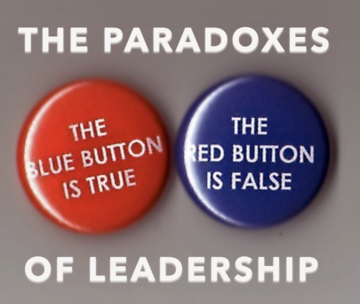
“When it comes to leadership, one thing isn’t necessarily more important than another. And people are, well, complicated,” wrote Bryant. “Better to understand leadership as a series of paradoxes. Leaders, for example, need humility to know what they don’t know, but have the confidence to make a decision amid the ambiguity. A bit of chaos can help foster creativity and innovation, but too much can feel like anarchy. You need to be empathetic and care about people, but also be willing to let them go if they’re dragging down the team. You have to create a sense of urgency, but also have the patience to bring everybody on the team along.”
Nevertheless, Bryant conceded that if you “were to force me to rank the most important qualities of effective leadership, I would put trustworthiness at the top.
“We all have a gut sense of our bosses, based on our observations and experiences: Do we trust them to do the right thing? Will they be straight with us and not shave corners of truth?,” wrote Bryant. “Do they own their mistakes; give credit where credit is due; care about their employees as people as opposed to assets? Do they manage down as well as up?”
A close cousin of trustworthiness is how much you respect the people who work for you, said Bryant.
Another critical area: Culture. “It’s a predictable rite of passage as many companies evolve. At some point, the leadership team will go through the exercise of defining a set of values to shape the culture of their company. These lists can be all over the place — lengthy or brief, predictable or quirky. But the exercise raises an obvious question: Are there some best practices? I have noticed some patterns,” said Bryant. “Shorter is generally better than longer. In fact, when I ask chief executives about their companies’ values, it’s not unusual for them to struggle to remember them all if there are more than five bullet points. And if the boss can’t remember them, will anyone else?”
Values, he added, need reinforcement beyond repetition. “Many companies, for example, make their values part of the hiring and firing process, and hand out awards to people who bring the values to life.”
For Bryant’s full observations, including on the issue of men vs. women as leaders and how leaders have responded to the question “How do you hire?,” plus the story that Bryant said is his favorite, go here.