

SEATAC, Wash.–Seeking to make inroads with local “maker” businesses? Don’t come across like a suit.
That was the frank advice from several representatives of small, local businesses who stressed that many people who work at or own small businesses specializes in handcrafted goods do not really understand what credit unions are, and will run for the exits if they see someone who looks like a banker.
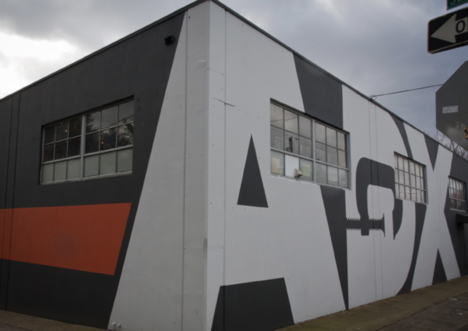
“One thing we see a lot is we are really pigeon-holed into our industries,” said Matt Preston, communications director with ADX Portland, in remarks to the Northwest CU Association’s MAXX conference here.
ADX Portland has a 14,000-square foot facility it describes as a “maker space, fabrication shop, education center and business accelerator.”
“At our heart we are a maker space,” he said of the company, which is privately owned and which operates Portland Makes. “It’s essentially like a gym membership; you pay a monthly membership ($200) and you get access to a million dollars in tools, such as wood shop, metal shop, screen printing, jewelry, sewing, a shared kitchen, digital design and more.”
It is also home to many people operating sole proprietorships—including businesses that go on to become much larger. They are just the kinds of businesses credit unions would seem ideally suited to serve.
CUs, said Preston, could begin serving those businesses by buying local.
“We like to talk about thinking outside the box, especially in smaller cities. Next time you have to order a lot of pens or clipboards, buy local. If you’re going to have an event, use a local event space,” he urged an audience of credit union attendees. “If you need a sign, use a local sign-maker. Take your team to a local making space and take a tour. Offer educational classes.”
But the staff and members at many of the organizations that serve local, small businesses understand what credit unions are, or how they differ from a bank?
Erin Nelson, co-director of the Seattle Good Business Network, said staff at her organization understands how the financial co-ops are different, but most of the member small companies and entrepreneurs do not.
“The cooperative business model is one some of our businesses are thinking of transforming into,” said Nelson. “It has a lot of resonance for our membership. I don’t think a lot of them understand that’s what a credit union is.”
And if credit unions want prospective members to understand they are not banks, don’t come looking like bankers, advised Preston.
“With most of my peers, Millennials, you hear a lot of talk that they don’t want to be involved in big retail banks,” said Preston. “A lot of times they don’t really know the difference. The one thing I will say is that when you go out and talk to these small businesses and makers, take the suit off. Put on the flannel and the jeans I’ve seen people in our space run when they see people walk in with the suits.”