

WASHINGTON—House Financial Services Committee Chairman French Hill (R-AR) and Senate Banking Committee Chairman Tim Scott (R-SC) have introduced Congressional Review Act (CRA) resolutions to overturn the CFPB's final rule capping overdraft fees at $5 for FIs above $10 billion in assets.
Treasury Secretary Scott Bessent, during his brief stint as acting director of the CFPB, mandated a suspension of a wide range of rules and activities at the agency, including the $5 OD cap, which was slated to take effect on Oct.1, 2025.
Scott and Hill, in a statement, cited the rule’s impact on access to important financial services and reiterated that "lawful and contractually agreed upon payment incentives promote financial discipline and responsibility."
Calling the CFPB’s OD rule “flawed,” the Defense Credit Union Council said it is supporting the actions of Hill and Scott, noting that in a previous letter to Congress it supported utilizing the Congressional Review Act to repeal the OD rule.
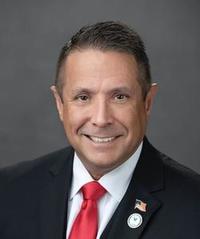
Anthony Hernandez
“DCUC applauds House Financial Services Chair French Hill and Senate Banking Chair Tim Scott for addressing this flawed rule,” said Anthony Hernandez, DCUC president/CEO. “Consumers, particularly military and veterans, rely on robust overdraft protection programs not only as they organize, train, and equip to fight our nation’s wars, but especially when they are in harm’s way and cannot flex to keep bills on track back home. Without overdraft, late fees from utility companies, rental agreements, and other day-to-day expenses would become overwhelming.”
DCUC noted it has been a vocal opponent of the CFPB’s overdraft fee rule, warning of its negative impact on credit unions and the communities they serve, especially those including military and veteran members. In December 2023, DCUC sent a letter to both committees and a letter to former CFPB Chairman Rohit Chopra outlining its concerns and voicing opposition to the late rule.
“While we share a commitment to ensuring that consumers are treated fairly, this rule represents a significant regulatory overreach that will harm both financial institutions and the members they serve. The imposition of a $5 cap on overdraft fees disregards the operational realities of financial institutions and the costs incurred in providing overdraft protection services,” DCUC stated in its letter to the Bureau.
Rather than imposing punitive measures across the board, DCUC urged the CFPB to focus its enforcement actions on financial institutions that engage in predatory or abusive practices.
Harmed Consumers
“Punishing responsible financial institutions harms consumers by reducing their access to affordable financial services and forcing them to turn to more costly alternatives,” DCUC stated.
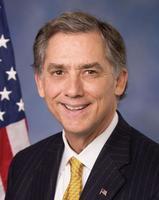
French Hill
"Senate Banking Committee Chairman Tim Scott and I were clear when we told federal agencies – including the CFPB - to stop all midnight rulemaking, which former Director Chopra blatantly disregarded. As I have consistently said, the CFPB needs guardrails on its enforcement and rulemaking powers, and this rule is another clear example of why," Hill said.
Scott stated that the “Biden Administration’s CFPB routinely targeted legitimate payment incentives and practices in pursuit of political headlines over sound policies. The overdraft rule was yet another example – many consumers rely on overdraft services to make ends meet and limiting this practice will push Americans to riskier financial products. I’m proud to lead the effort to overturn this misguided rule and protect Americans’ access to important financial services.”
Hill was joined on the resolution by Reps. Bill Huizenga (R-MI), Ann Wagner (R-MO), Andy Barr (R-KY), Roger Williams (R-TX), William Timmons (R-SC), Ralph Norman (R-SC), Dan Meuser (R-PA), Byron Donalds (R-FL), Andy Ogles (R-TN), Maria Salazar (R-FL), Troy Downing (R-MT), Mike Haridopolos (R-FL), Tim Moore (R-NC), and Glenn Grothman (R-WI). Senators Mike Crapo (R-ID), Roger Wicker (R-MS), Jim Risch (R-ID), Jerry Moran (R-KS), John Boozman (R-AR), Thom Tillis (R-NC), Kevin Cramer (R-ND), Cynthia Lummis (R-WY), Bill Hagerty (R-TN), Katie Boyd Britt (R-AL), and Pete Ricketts (R-NE) co-sponsored Scott's resolution.