

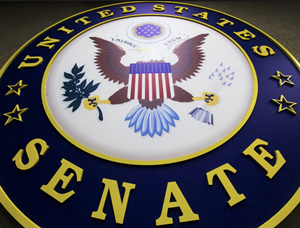
WASHINGTON—The Senate Special Committee on Aging hosted a hearing as it seeks answers on how various entities are combatting robocalls and why so many Americans are still targeted by scams.
Much of the hearing focused on scammers targeting older individuals by pretending to be family members in trouble, or those that pretend to be IRS debt collectors, NAFCU reported.
Committee Chairman Susan Collins (R-ME) noted that technological advancements have made it easier for scam artists to hide their identities when autodialing victims, but increased law enforcement and education have helped decrease reported scams.
Earlier this year, Collins introduced the Senior$afe Act, which grants immunity from liability to those who have disclosed suspected exploitation of a senior citizen to a regulatory or law-enforcement agency in good faith. The immunity applies to employees of various financial institutions, including credit unions.
In July 2015, the Federal Communications Commission released a declaratory ruling and order that provides limited robocall exemptions under the Telephone Consumer Protection Act (TCPA) for financial institutions making free autodialed calls to consumers. NAFCU noted that it has repeatedly told the FCC that the order has led to financial institutions ceasing important communications with members about their accounts over fear of inadvertently violating the rule.
In September 2015, NAFCU entered a suit challenging the FCC’s order on TCPA prohibitions on autodialed calls to account holders. Oral arguments were heard in the case last October in the U.S. Court of Appeals for the D.C. Circuit; the court could issue a decision at any time, NAFCU noted.