

WASHINGTON–With the massive $2-trillion stimulus package now passed by the Senate, many Americans are going to be asking when they will receive the checks that are part of the effort to keep the economy functioning and to help people during the coronavirus pandemic. The answer? That's being debated.
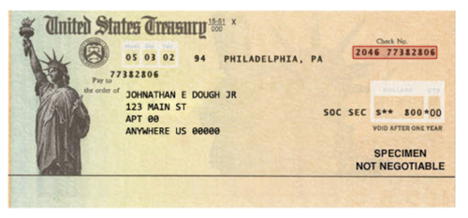
Under the plan, single Americans would receive $1,200, married couples would get $2,400, and parents would see $500 for each child under age 17. The payments would start to phase out for individuals with adjusted gross incomes of more than $75,000, and those making more than $99,000 would not qualify at all. The thresholds are doubled for couples.
During a press conference on Wednesday, Treasury Secretary Steve Mnuchin said the goal is to have direct payments issued by April 6.
"Our expectation is within three weeks we will have direct payments out where we have depository information," Mnuchin said. "We're looking to get a lot more information and we have procedures to do that."
According to an estimates by the Tax Policy Center, about 90% of Americans would be eligible to receive full or partial payments from the $250 billion fund created for that purpose.
But getting those checks out is going to take much longer than a few weeks, according to other experts who told CNN they expect it will be at least mid-May before the Internal Revenue Service is able to send the payments.
Previous Efforts to Send Checks
The IRS has sent similar payments before. In 2001, it took six weeks for the IRS to start sending out rebate checks authorized by President George W. Bush's tax cut. Then in 2008, amid the Great Recession, it took three months for the checks to start going out after the law was signed by Bush, CNN noted.
“In that case, Americans were required to file their tax return first, in order to get the check. Once they filed their return, it took between eight and 12 weeks to see the money,” the report added.
Those who authorize a direct deposit into their bank or credit union account will likely get their money faster. In 2008, paper checks sent through the mail were sent over a 10-week period.
Complicating the distribution of the payments is the Treasury Department has pushed back until July 15 the tax return filing deadline, and the new legislation also includes a tax credit designed to refund businesses that are offering their employees coronavirus-related paid leave.
Recipe for Confusion
"It's just a recipe for confusion," said Nina Olson, who served as the IRS's National Taxpayer Advocate from 2001 to 2019, told CNN. "There can be a lot of complexity involved in something as simple as sending a check out.”
As CUToday.info reported here, CUNA has raised concerns with Congress over the potential for a “flood” of deposits into credit unions.