

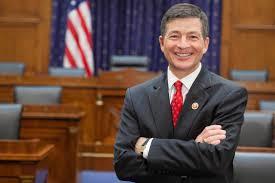
Jeb Hensarling
WASHINGTON—House Financial Services Committee Chairman Jeb Hensarling (R-TX) has written a letter to CFPB Director Richard Cordray asking about his motives behind the reported rush to finalize the CFPB's payday lending rule and his future at the Bureau.
The congressman asked Cordray to respond to his letter this week. There is considerable speculation that Cordray plans to leave the post early—his term expires in mid-2018—in order to return to his home state of Ohio to run in the Democratic primary for governor. Adding fuel to that rumor is that Cordray is scheduled to speak to an AFL-CIO picnic in Ohio on Labor Day (see related story on CUToday.info).
NAFCU has expressed concern about the CFPB's proposed payday lending rule. If implemented, the rule's complexity and scope could impede consumer access to credit and have a particularly negative impact on the credit union industry, as it would affect almost all covered loan products provided by many institutions, the trade association said.
In the letter, Hensarling alleges that Cordray's rulemaking efforts are influenced by his political ambitions. It is rumored that Cordray plans to resign as director of the CFPB later this fall so that he can enter the Ohio governor's race, NAFCU noted.
In order to assuage any concerns the public might have about the CFPB's integrity in the rulemaking process, Hensarling asks Cordray to respond in writing to these three questions:
- Denial that political considerations have informed any decisions, orders and communications relating to the payday lending rule
- Assurance that all records relating to the rulemaking will be preserved
- Confirmation that Cordray will serve his full term as CFPB director, or otherwise provide the date on which he will resign from office
NAFCU reminded again that it was the only financial services trade association to oppose subjecting credit unions to CFPB authority under Dodd-Frank. The association said it will continue to advocate for regulatory relief for credit unions and press the CFPB to use its Dodd-Frank Act exemption authority more effectively.