ST. LOUIS–A new analysis offers insights into in which markets borrowers are paying the most for their mortgages, while also offering an additional look at whether borrowers taking on more debt than they can manage.
After increasing for 21 quarters in a row, mortgage debt in the United States has reached an astonishing $15 trillion, according to the Federal Reserve.
Seeking answers to the two questions raised, Clever Real Estate said it turned to data from the Housing Mortgage Disclosure Act database and the CFPB to evaluate relationships between mortgage characteristics (fees, interest rates), borrower characteristics (debt-to-income ratio), and complaints filed in each state.
The Findings
Among the findings in the study:
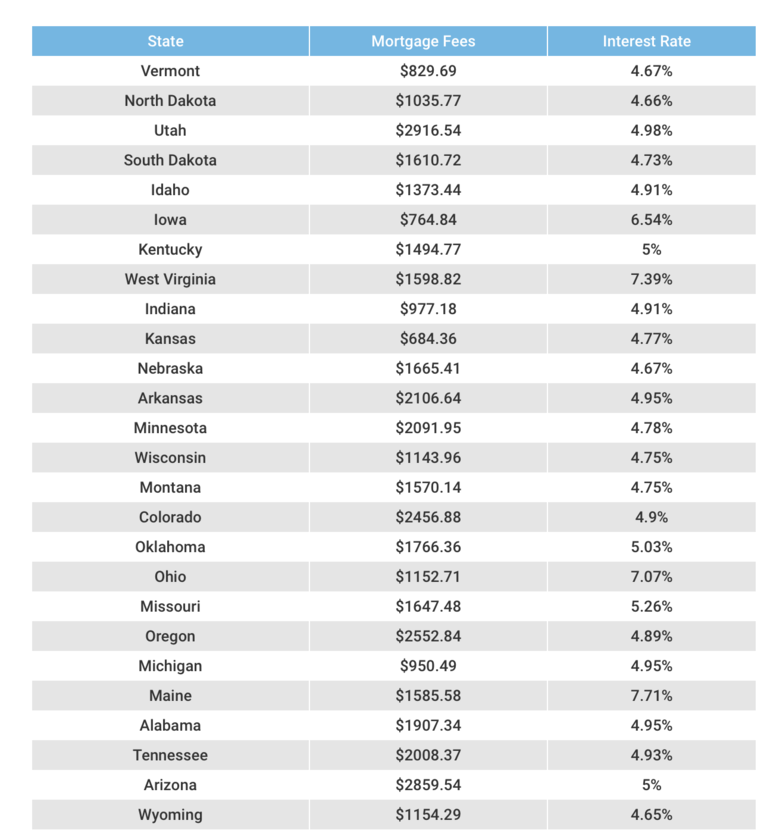
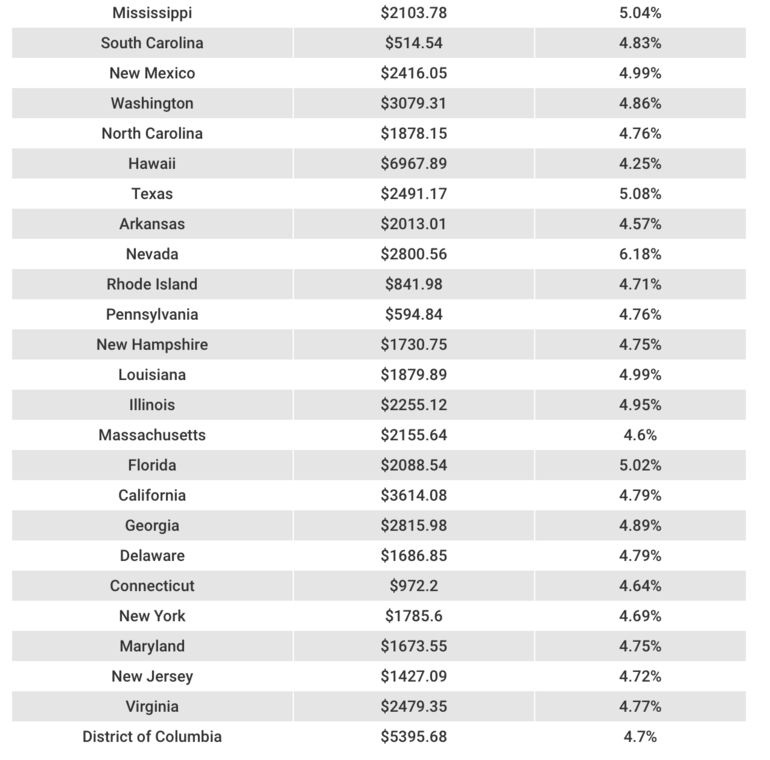
- Location matters. In 2018 U.S. borrowers paid interest rates ranging from 4.24% to 7.71% depending on the state. Lenders in Maine, West Virginia and Ohio averaged rates over 7%.
- The average interest rate was 5.04% in 2018, but between states interest rates ranged from 4.24% in Hawaii to 7.71% in Maine. Close behind were West Virginia (7.39%) and Ohio (7.07%).
- Interest rates dramatically impact the cost of owning a home. A new homeowner in Maine who purchased a $183,900 home in 2018 would end up paying nearly $290,000 just in interest during the life of a 30-year mortgage. The same loan in Hawaii would accrue $150,000 less interest.
- Mortgage fees vary wildly from state to state. The fees range from $515 to $6,970 depending on where borrowers live. Hawaiians and D.C. residents spent more than $5,000 on fees in 2018. While the average borrower paid a little less than $2,000 (or 1% of the loan amount), Hawaiians paid 3.5x more on fees. South Carolinians and Pennsylvanians, on the other hand, paid less than $600 on average.
- Risky mortgages are more likely to be issued in state where the cost of living is high. Borrowers with high debt-to-income ratios were more likely to get mortgages in states with higher costs of living, like California and Hawaii.
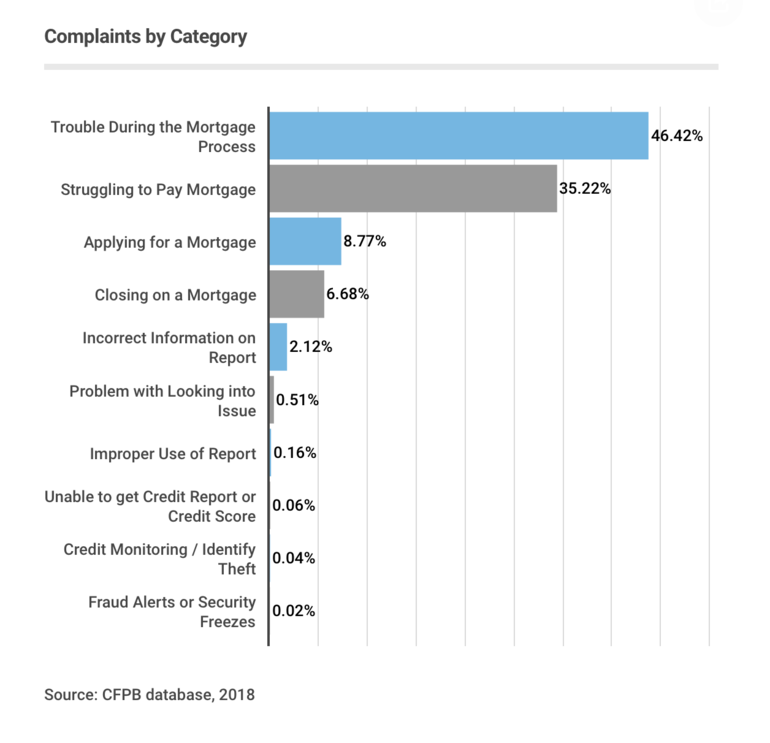
- Borrowers in states with higher mortgage payments had the most complaints, and nearly 1 out of 3 complaints was related to borrowers struggling to pay their mortgages, lending further support that home buyers are over-borrowing.
- A high density of lenders can drive down interest rates to undercut the competition. “But in places like West Virginia, where only 40 out of every 100,000 residents is a loan officer, competition doesn't have as much influence, leading to inflated rates,” Clever said.
Tricky Challenge
“Breaking down exactly what goes into a specific lender's decision to approve a loan is tricky, but most rely heavily on borrower debt,” said Clever Real Estate. “Some reports suggest that lenders won't approve mortgages for people who spend more than 43% of their income on monthly payments. But that cutoff is hardly a steadfast rule; according to our data, 15% of mortgages went to people with DTI ratios above 43% in 2018. Even more surprising was that high DTI ratios were related to higher mortgage payments and had the highest fees, which could lead to catastrophic circumstances for those borrowers who already have a lot of debt or who are taking on a huge mortgage payment.”
Interesting Finding
Interestingly, Clever said, whether lenders shied away from those high-risk applicants was dependent on where the home was located. Lenders were more likely to sign off on borrowers with higher DTI ratios in states where the cost of living is higher, like California (115) and Hawaii (118), and less likely to do so in states like Arkansas and West Virginia, where the cost of living is considerably more affordable (~15% below the national average).
The full study can be found here.