

WASHINGTON–Just what qualifies as an “abusive” practice? It’s a question without real firm parameters, said Kathy Kraninger, director of the Consumer Financial Protection Bureau during the first in a series of “symposia” the Bureau is hosting.
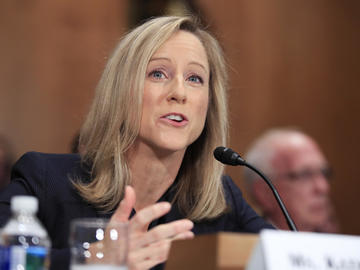
Kathy Kraninger
The uncertainty around what qualifies as abusive under the Unfair, Deceptive Abuses, Acts and Practices (UDAAP) Act has created problems for those companies regulated by the Bureau, Kraninger said during the event.
Compounding the problem, according to Kraninger, is that what qualifies as “abusiveness,” a word added as part of the Dodd-Frank Wall Street Reform and Consumer Protection Act in 2010, is the absence of a “long and rich history” of legal definitions that would offer precedent and guidance.
Nevertheless, Kraninger said the CFPB views its enforcement of UDAAP as a “fundamental and critical responsibility.”
“Statutory language, regulations, agency policy statements, and a substantial body of case law have clarified the metes and bounds of these concepts,” said Kraninger during the symposium, which was also streamed live. “Over time, this has provided reasonably clear standards for market participants to use in assessing whether their own conduct comports with laws prohibiting unfair and deceptive acts and practices.
“‘Abusiveness’ is somewhat different,” she added.
Kraninger said feedback from the meeting will help the Bureau make decisions on how it might provide greater definition to the concept of abusiveness, and which principles are loan collection, the disparate impact of the Equal Credit Opportunity Act, economics, behavioral law, consumer-authorized financial data sharing, and more.