

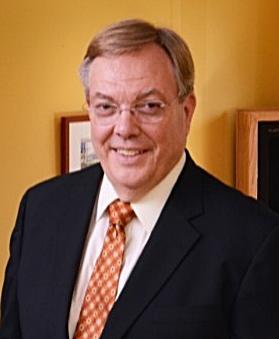
Michael Moebs, Moebs $ervices
LAKE FOREST, Ill—As CUToday.info was first to report, the CFPB published a rule Wednesday that allows the agency to supervise larger nonbank auto finance companies for the first time.
The move, according to one economist, will help level the lending playing field and may lead to dealers reducing the reserves they charge FIs via the indirect channel.
Currently, the CFPB supervises auto financing at the largest banks and credit unions. Wednesday’s rule extends that supervision to any nonbank auto finance company that makes, acquires, or refinances 10,000 or more loans or leases in a year. Under the rule, those companies will be considered “larger participants,” and the Bureau may oversee their activity to ensure they are complying with federal consumer financial laws, including the Equal Credit Opportunity Act, the Truth in Lending Act, the Consumer Leasing Act, and the Dodd-Frank Wall Street Reform and Consumer Protection Act’s (Dodd-Frank Act) prohibition on unfair, deceptive, or abusive acts or practices, the agency stated.
Michael Moebs, economist and CEO at Moebs Services here, noted that the CFPB’s action will subject all direct and indirect auto loans—as well as leases—made by the auto finance companies to Truth-In Lending, Fair Credit Reporting, Equal Credit Opportunity, and the Fair Debt Collection Practices Act.
“In the past only a few auto finance companies had been subject to mainly Truth-In-Lending and not much else,” said Moebs. “Banks and credit unions have been subject to all of the lending acts.”
Under Wednesday’s final rule, which was proposed in September 2014, the Bureau estimates that it will have authority to supervise about 34 of the largest nonbank auto finance companies and their affiliated companies that engage in auto financing. These companies together originate around 90% of nonbank auto loans and leases, and in 2013 provided financing to approximately 6.8 million consumers, the CFPB said. The final rule also defines additional automobile leasing activities for coverage by certain consumer protections of the Dodd-Frank Act.
Having more auto finance companies under the CFPB’s supervision and scrutiny, the Bureau now has the ability to control auto dealers, contended Moebs.
“Being able to level the playing field of almost all the significant lenders for autos, including banks and credit unions, gives the CFPB huge control over the auto industry,” said Moebs. “If the CFPB uses this move wisely, dealers will lose their almost strangle-neck control of auto lending and dominance over credit unions and banks, especially in indirect lending. What if the CFPB requires all dealers to disclose the full amount of the dealer reserve, similar to what is done with mortgage lending application and closing costs? Dealers will then likely be forced to reduce the reserve—a cost ultimately passed onto the car buyer—to reduce the cost of the loan for the borrower. The loser here is the dealer.”