

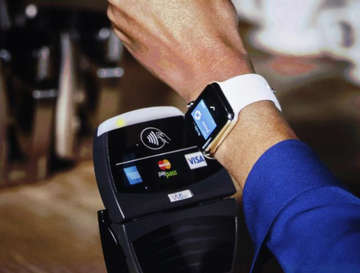
SAN FRANCISCO—The advent of Apple Pay raises a question beyond its implications for payments and credit unions—what about the other half of the mobile market.
In a new research report from Javelin Strategy & Research, Mary Monahan, director of mobile at Javelin, points out that “Apple Pay offers customer convenience combined with better security and Touch ID authentication, but it doesn’t address the Android ecosystem. The wallet space is still very much up for grabs by players including the customer’s own financial institution, PayPal, Google Wallet, and others.”
The report suggests that while consumers prefer their primary banks and credit unions for a mobile wallet provider overall, top brands PayPal, Google and Apple are closing the gap. The report, “Mobile Wallets and Strategy, How the Game Changes with Apple Pay,” seeks to advise financial institutions, technology companies and merchants where to invest in the increasingly competitive wallet market.
“The proportion of consumers using their mobile phones to buy physical goods more than tripled over the past five years, demonstrating growing consumer confidence in mobile purchasing,” said Javelin in its analysis. “Apple controls 44% of U.S. smartphone market and has negotiated agreements with Visa, MasterCard and American Express, and issuers controlling over 84% of the primary credit card market…As mobile purchasing desire ignites, the focus on defensive plays needs to remain secondary to providing a superior checkout experience.”
The report profiles 16 wallet models including those of American Express, Apple, CU Wallet, Facebook, Google, Loop, MasterCard, MCX (Merchant Customer Exchange), Microsoft, Paydiant, PayPal, Starbucks, Softcard (formerly Isis), Stripe, Square, and Visa.
See these related stories: