

OLYMPIA, Wash.–Washington’s state-chartered credit unions and banks are being urged by their regulator to begin discussions over how to “integrate climate change risks into their governance, risk management, and strategic plans.”
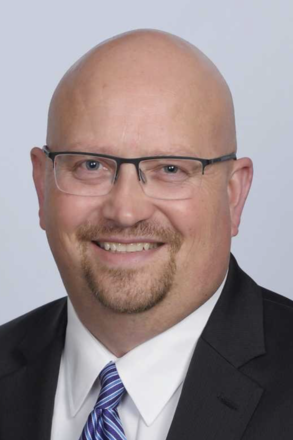
Charlie Clark
The Department of Financial Institutions said that during upcoming examinations it plans to begin talking to its regulated financial institutions about whether they are contemplating climate change and if so, what steps they are taking to begin to address the “risks and opportunities climate change brings.”
In a letter to institutions regulated by the DFI, Director Charlie Clark said climate change “poses an unparalleled threat to all of us,” and he cited the Biden administration’s recently issued Executive Order on Climate-Related Financial Risk, which he said is intended to “help the American people better understand how climate change can impact their financial security” and “strengthen the U.S. financial system.”
Clark said the DFI plans to begin discussions with stakeholders on how the department can support its regulated entities in efforts to better understand and address climate change.
‘Unprecedented Challenges’
The letter states climate change is presenting “unprecedented challenges,” and that specifically in Washington that is likely to mean the risk and impact of wildfires and droughts to Washington State and its economy is likely to increase. Coastal flooding and associated damage to infrastructure, communities, and geography are also projected to increase due to sea level rise, stated Clark.
After citing a series of potential negative effects, Clark stated the combined “risks could have significant, disruptive consequences on asset valuations, global financial markets and global economic stability. Low- and moderate-income communities are especially at risk.”
Operational Risks
Clark said financial institutions face risk due to climate change primarily in the form of physical risk and transition risk.
“Financial institutions should thoroughly evaluate these risks as failure to do so may threaten the long-term viability of their operations, asset portfolios and weaken the financial markets at large,” Clark said.
Physical risks, Clark said, include everything from rising sea levels, to changing flood zones, heat waves, or droughts, damage to property or assets, supply chain and business disruptions, increased recovery and insurance costs (including potential noncoverage), reduction in revenues, and migration costs.
“These risks are likely to lead to lower household wealth and stability, in addition to lower corporate profitability,” Clark stated. “And while Washington’s financial institutions have demonstrated resiliency and responsiveness in the face of considerable risk associated with disruption to households and small businesses through the COVID-19 pandemic, similar risks posed by the impact of an extreme weather event causing significant property damage or interruption to commerce may pose an even greater challenge. Now is the time to be proactive and ensure risk management frameworks are sound.”
Depositary institutions, in particular, said Clark, have numerous types of assets at risk due to weather events including mortgage loans, commercial real estate loans, agricultural loans, and investment portfolios. Flood and fire risk may be of particular concern to regional and community financial institutions, as they tend to have more regionally concentrated physical risk in relation to sudden extreme weather events, he added.
Transition Risk
“Evidence is suggesting that a transition to a low or net-zero carbon economy is critical to mitigating the impact of climate change, with many already working towards this goal,” Clark said. “Changes in consumer and investor sentiment, infrastructure spending, advancing technology, and changing policy and regulations will all contribute to driving this transition. It is likely these factors will result in a historic shift in economic and market forces – some believing it will occur in a disorderly and unpredictable manner – which will create risk to financial institutions and their clients due to impact on certain asset classes, as well as from potential legal and reputational risks arising from the transition.”
Vulnerable Communities
Clark’s letter to state charters said that while climate change will continue to affect all of us, it will have a disproportionate impact on economically vulnerable people, which often consist of marginalized communities and people of color. “Financial regulators and financial institutions must view the threats of climate change, systemic racism, and historic inequality as intertwined,” he said. “They cannot be addressed in isolation.”
The Path Forward
Clark said financial institutions face significant physical and transition risks but have an opportunity to take a proactive approach by evaluating their own contributions to activities that may be negatively impacting climate change.
“If we fail to prepare and adjust our practices, climate change may be the catalyst for the next financial crisis,” he stated.