

WASHINGTON— Kevin Warsh’s nomination to become the next Federal Reserve chair moved closer to a Senate floor vote Monday after the Senate Banking Committee scheduled a Wednesday markup to advance President Trump’s pick, a sign the confirmation process is back on track after a GOP hold that had threatened to delay action.
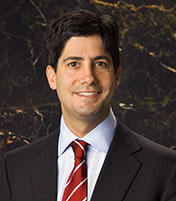
Kevin Warsh
Reuters reported the panel is set to vote at 10 a.m. Wednesday, the same day the Fed wraps up its two-day policy meeting, raising the possibility Warsh could be in place to lead the June FOMC meeting if quickly confirmed by the full Senate.
The immediate logjam eased after Sen. Thom Tillis dropped his hold on the nomination following the Justice Department’s decision to end its investigation tied to current Fed Chair Jerome Powell, according to Reuters. Democrats on the Banking Committee remain opposed, but Republicans hold a 13-11 majority on the panel and also control the full Senate, making Warsh’s path materially easier. Warsh was formally sent to the Senate in early March to succeed Powell, whose current term as chair ends May 15.
At his confirmation hearing last week, Warsh sought to reassure senators that he would not bend monetary policy to White House demands, saying he made no promises to Trump on rate cuts and pledging to preserve the Fed’s independence even as he outlined a broader reform agenda. Reuters said Warsh also pressed for a smaller Fed balance sheet, criticized the central bank’s post-pandemic inflation miss, and signaled interest in revisiting the Fed’s inflation framework and curbing officials’ reliance on forward guidance.
For financial institutions, Warsh’s nomination remains a closely watched market and policy event because investors increasingly see him as more open than Powell to eventual rate cuts, even as he insists any decisions would remain data-driven. Reuters reported Monday that markets are already beginning to price in a potentially more aggressive easing path under Warsh, while his hearing underscored that any early move would still be complicated by elevated inflation, rising energy prices and political scrutiny over Fed independence.