

WASHINGTON–During a Senate hearing Sen. Elizabeth Warren (D-MA) told Federal Reserve Vice Chairman for Supervision Randal Quarles that she is recommending he be replaced by President Biden when his term ends later this year.
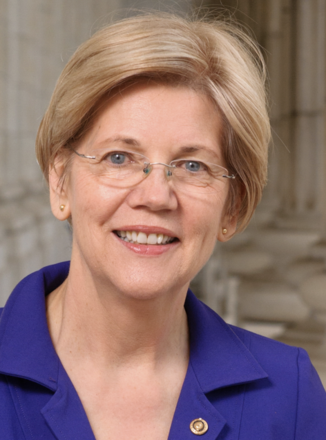
Sen. Elizabeth Warren
"Your term as chair is up in five months, and our financial system will be safer when you are gone," she told Quarles during a testy exchange at a Senate Banking Committee hearing on the Federal Reserve's regulation of the financial system, according to the Hill. "I urge President Biden to fill your role with someone who will actually keep our financial system safe," she said.
Quarles also recently appeared before the House as part of a separate hearing that included NCUA Chairman Todd Harper and other regulatory heads, with Quarles the recipient of most of the questions from the House members on the Financial Services Committee.
Warren, who the Hill noted has built a reputation as a tough questioner in public hearings, accused Quarles of lightening the Fed's supervision of Credit Suisse, just months before the bank suffered billions in losses due to its exposure to the hedge fund Archegos.
Warren pointed to the Federal Reserve's decision last year to stop additional supervision of the Large Institution Supervision Coordinating Committee (LISCC), which is supposed to oversee systemically important banks, the Hill reported.
Quarles Responds
In response, Quarles said the Fed's decision to remove the bank from LISCC supervision was based on its size and reduced footprint in the United States and noted that most of its losses occurred abroad.
"I didn't say to weaken supervision, ma'am, I said it was more appropriate to supervise them with other foreign banks of the same size footprint in the United States, which is what we do," Quarles said. "The losses that you're referring to did not occur in the United States, and we would not have been able to pick them up in LISCC or otherwise.”
Warren responded by saying foreign losses could also impact the U.S. financial system, and that the event was a forewarning of potentially bigger problems down the line, the Hill reported.