

WASHINGTON— Senate Banking Committee Ranking Member Elizabeth Warren (D-MA) is escalating scrutiny of the auto-lending market, sending letters to the nation’s five largest auto lenders seeking detailed underwriting and pricing data tied to loans made to active-duty service members and veterans, amid concerns military borrowers are being charged higher rates while many vehicle loans remain outside key federal lending protections.
Warren’s office said the inquiry targets Ally Financial, Capital One, Santander Consumer USA, Wells Fargo and JPMorgan Chase.
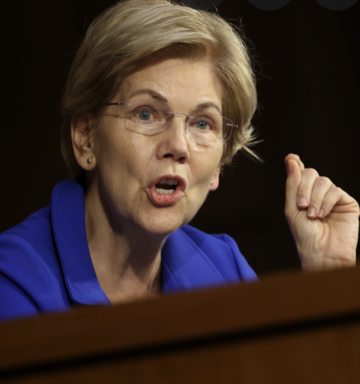
Elizabeth Warren
According to the Senate Banking Committee minority, Warren is seeking loan-level and policy information after findings that service members, on average, pay more for auto financing even though the Military Lending Act’s 36% APR cap and related protections generally do not apply to many vehicle purchase loans secured by the car itself—a long-criticized carveout in the law. Her office said the request comes as auto repossessions have climbed to levels not seen since the 2008 financial crisis and as the Trump administration has sidelined the Consumer Financial Protection Bureau, which would typically be positioned to investigate such lending concerns.
Law360 reported Warren is specifically demanding underwriting criteria, pricing methodologies, default and repossession data, and information on how lenders identify and treat military borrowers, signaling a broader effort to determine whether service members are being disproportionately steered into higher-cost loans despite statutory protections aimed at shielding military families from predatory credit practices.
The issue could resonate well beyond the auto sector because vehicle financing remains one of the largest household obligations for many military families, and the MLA’s vehicle-loan exemption has long been cited by consumer advocates as a gap that leaves service members exposed in one of the most common credit transactions they face. Warren’s latest probe suggests Democrats may be laying groundwork for renewed legislative or regulatory pressure around military auto lending, particularly if the data show pricing disparities or elevated repossession risks.
For credit unions and other lenders serving military communities, the inquiry is notable because it could reignite debate over both fair-lending expectations and whether Congress should revisit the Military Lending Act’s long-standing auto-loan exemption. While Warren’s letters are directed at the largest bank and finance-company players, any broader policy response could eventually ripple across the wider indirect and direct auto-finance market, analysts stated.