

MADISON, Wis.–Ninety-six percent of Venezuelans who have fled to Columbia to escape the violence and economic collapse in their home country have no access to formal financial services, even though more than half said they crossed the border more than a year ago, according to the World Council of Credit Unions.
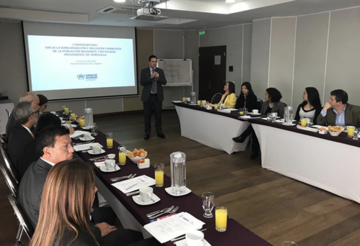
WOCCU said it conducted the market survey in the Venezuelan border region of Colombia along with Banca de las Oportunidades, a program of the Colombian national government aimed at promoting financial inclusion.
According to World Council, 65% of the Venezuelan refugees surveyed reported a monthly income of less than 150,000 pesos—the equivalent of about US $46. More than three-quarters of the respondents said their top financial priority is opening a savings accounts, while another 20% said they needed access to credit. Nearly half said that saving to start their own business was a top priority, WOCCU said.
Since 2016, the World Council said it has brought financial services to more than 262,000 rural Colombians living on the Venezuelan border through a project funded by the Banca program. That project will end in August, but Banca is planning to continue its financial inclusion work along the border to address the needs of the refugees, WOCCU said.
‘A Major Success’
“Our Financial Inclusion Project Along the Border with Venezuela was a major success,” said Oscar Guzman, WOCCU’s project director in Columbia. “We surpassed our original goal of bringing financial services to 210,000 people nine months early and will finish the project having reached 50,000 more than we had hoped. Now the question is—how do we reach these people from Venezuela? We are working with Banca de las Oportunidades to figure out a solution.”
WOCCU said the study also showed the need for a government-funded program. While 80% of Colombian financial institutions reported a demand for service from Venezuelans, only 12% said they are currently serving the refugee population, the survey found.
World Council and Banca presented their findings to several governmental agencies, financial institutions and international organizations—including the UNHCR, the United Nations Refugee Agency.