

WASHINGTON—President Donald Trump on Tuesday signed a pair of Executive Orders aimed at reshaping the regulatory landscape for financial technology firms while simultaneously tightening anti-money laundering and customer identification standards across the U.S. financial system, moves that could have significant implications for banks, credit unions, fintechs and digital asset providers.
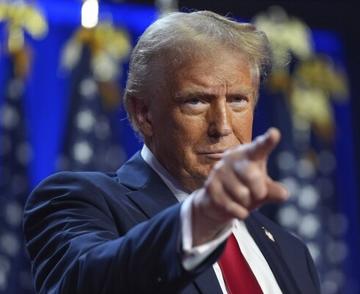
One Order directs federal financial regulators to review existing regulations, supervisory practices and application processes to identify barriers to fintech innovation and competition, including evaluating whether non-bank fintech firms and uninsured depository institutions should gain broader access to Federal Reserve payment accounts and payment services. The Administration said the review is intended to modernize rules built for “brick-and-mortar-centric settings” and better integrate digital assets and emerging financial technologies into traditional banking and payments systems.
The Order specifically calls on the Federal Reserve to examine its legal authority to provide payment access to fintech firms, identify barriers preventing such access, and explore legislative or regulatory options for expanding it with appropriate risk controls. The White House argued current third-party risk management requirements and payment system access rules “favor incumbents at the expense of innovators.”
The moves build on a series of Trump Administration digital asset and fintech initiatives over the past year, including executive orders tied to digital asset policy, establishment of a Strategic Bitcoin Reserve and implementation of the GENIUS Act governing payment stablecoins. News outlets including Reuters and Bloomberg have previously reported that the Administration has been pushing federal agencies to accelerate digital asset integration into mainstream financial services while reducing what the White House has described as regulatory barriers to innovation.
A separate Executive Order signed Tuesday focuses on anti-money laundering enforcement and customer identification requirements. It directs Treasury to issue advisories to financial institutions on suspicious activity tied to payroll tax evasion, labor trafficking, concealed account ownership and the use of individual taxpayer identification numbers to obtain banking services or credit without verified legal presence.
The Order also directs Treasury and federal regulators to consider changes to Bank Secrecy Act rules and customer identification program requirements, while asking the Consumer Financial Protection Bureau to evaluate whether potential deportation or loss of wages should factor into “ability-to-repay” mortgage underwriting standards. The Administration said the measures are designed to address credit and compliance risks tied to unlawful activity and undocumented immigration, though critics are expected to argue the moves could restrict financial access and increase compliance burdens for financial institutions.

Jason Stverak
CU Trade Groups Offer Perspectives
“DCUC appreciates President Trump’s Executive Order directing federal financial regulators to review and modernize outdated regulatory frameworks that may be limiting innovation and competition within the financial services sector. Defense credit unions have long embraced responsible innovation to better serve servicemembers, veterans, and their families, particularly in underserved and highly mobile military communities," stated Defense Credit Union Council Chief Advocacy Officer Jason Stverak. "We look forward to reviewing the Administration’s proposals and working collaboratively with regulators and policymakers to develop common-sense regulatory approaches that encourage innovation while preserving safety and soundness. As these efforts move forward, DCUC strongly urges regulators to adopt appropriately tailored requirements that recognize the unique structure and mission of credit unions, especially smaller and mid-sized institutions that often face disproportionate compliance burdens.
Innovation should not come at the expense of community-based financial institutions that are already serving consumers effectively, added Stverak.

Scott Simpson
"A balanced and right-sized regulatory framework can help ensure that credit unions remain competitive, continue investing in technology, and expand access to affordable financial services for military families and consumers nationwide," he said.
America's Credit Unions said it appreciates President Trump's approach to ensure compliance burdens do not weigh heavily on credit unions as it considers ways to verify account holder identities.
"We have engaged the Administration on this issue, highlighting the high regulatory standards credit unions are held to, and encouraged policymakers to pursue these efforts through an official rulemaking process ," stated Scott Simpson, America's Credit Unions president/CEO. "While we continue our review and assessment of the Executive Order, it appears as though the directive aligns with our requests for stakeholder input and time to implement any changes."